
Sonic Bodies
by Ana María Caballero
ICONIC Art Pass Pre-sale · Open now
Public Sale · November 18, 12 PM ET
Pre-sale closes November 18, 10 AM ET
We'll email you when Sonic Bodies opens. Unsubscribe anytime.
“Every encounter with a text writes its words anew.”
Sonic Bodies
The words remain the same. The readings never do.
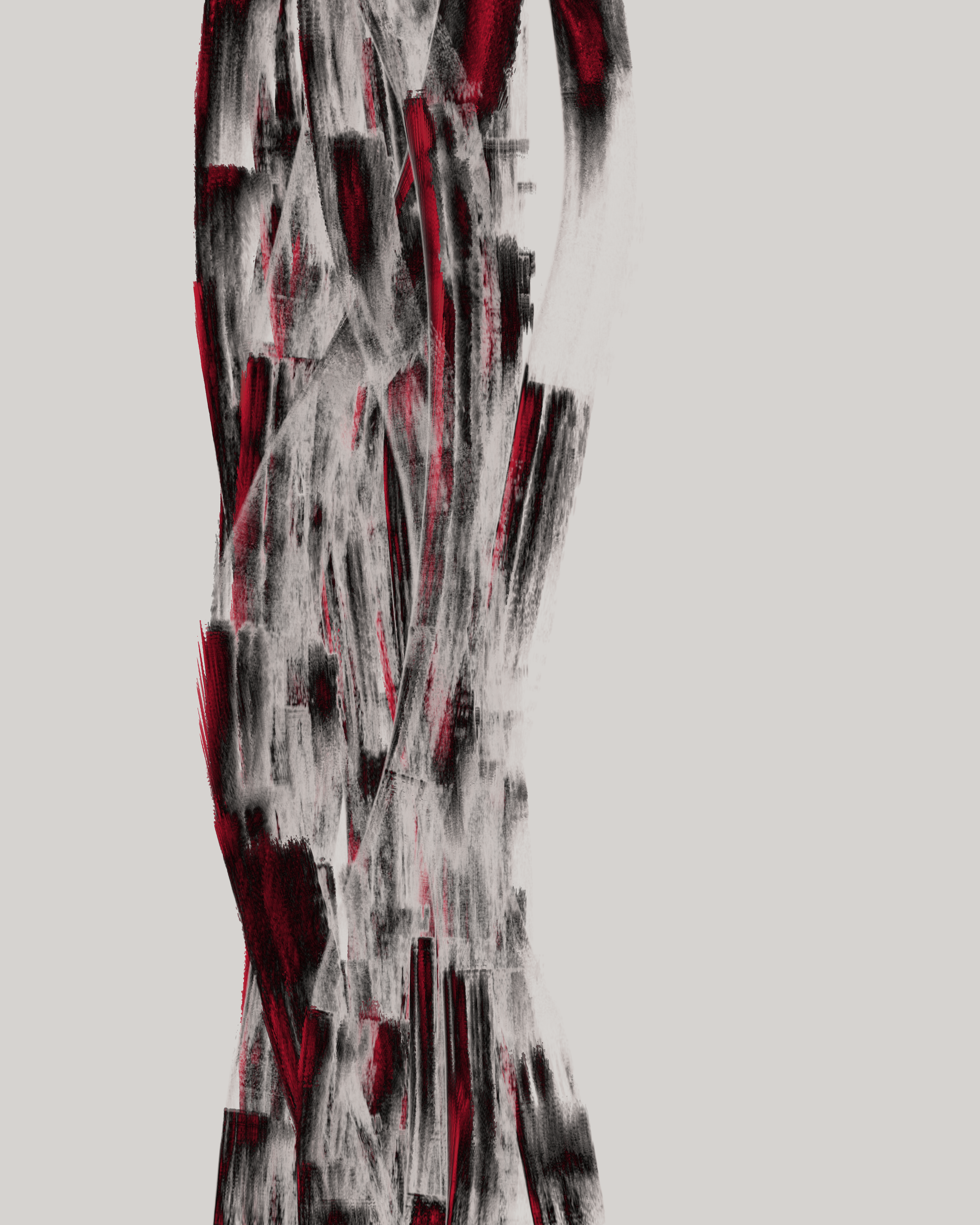
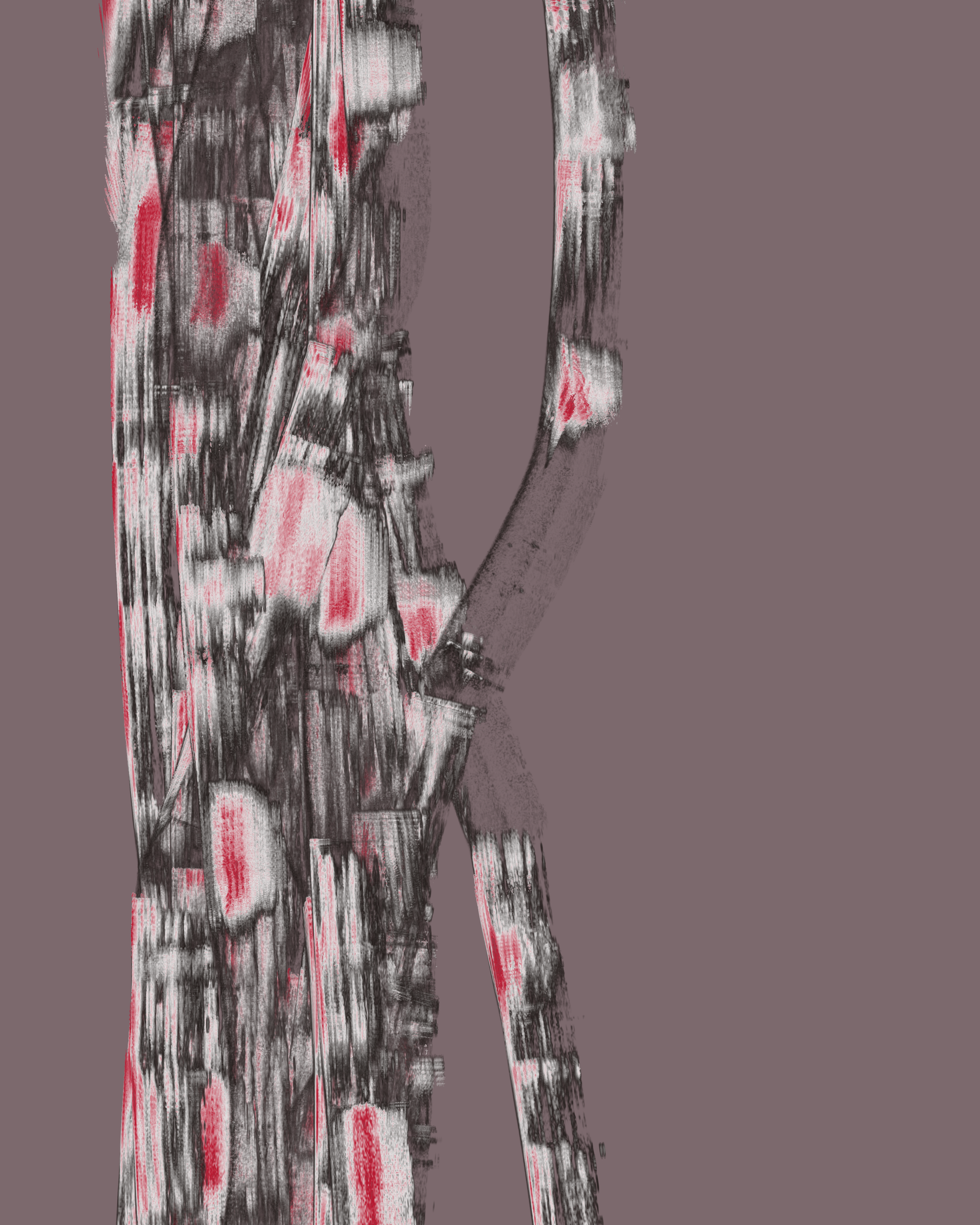
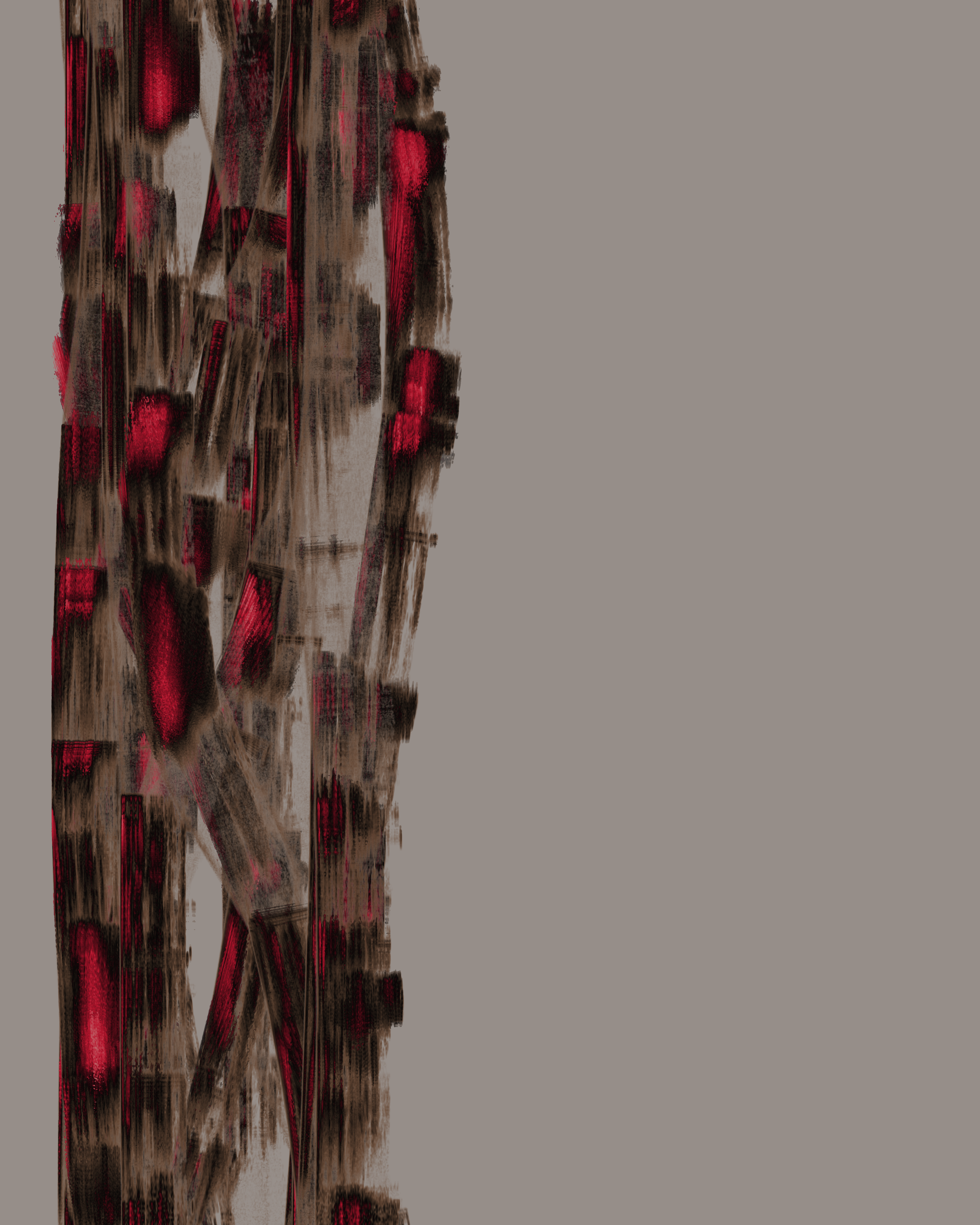
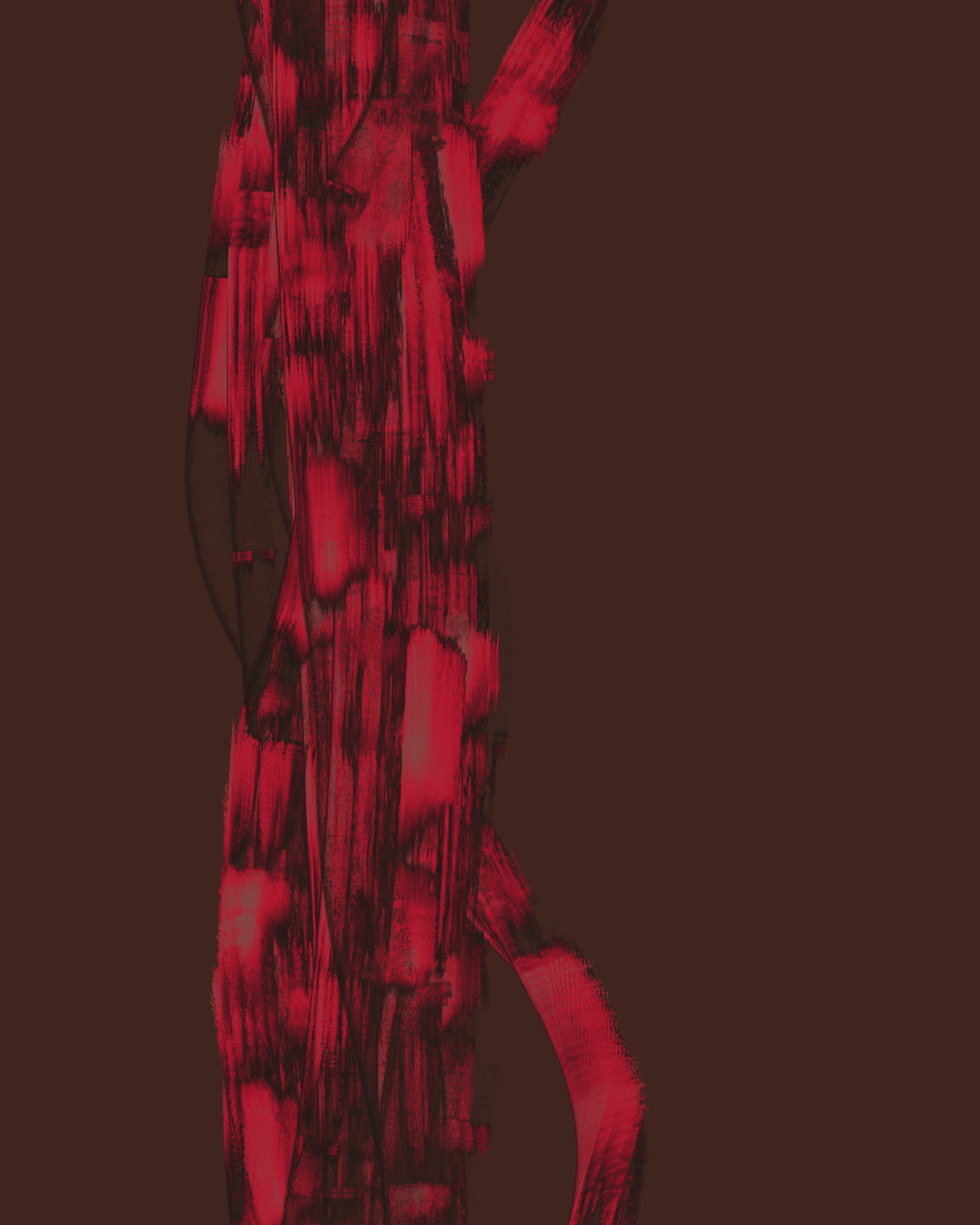
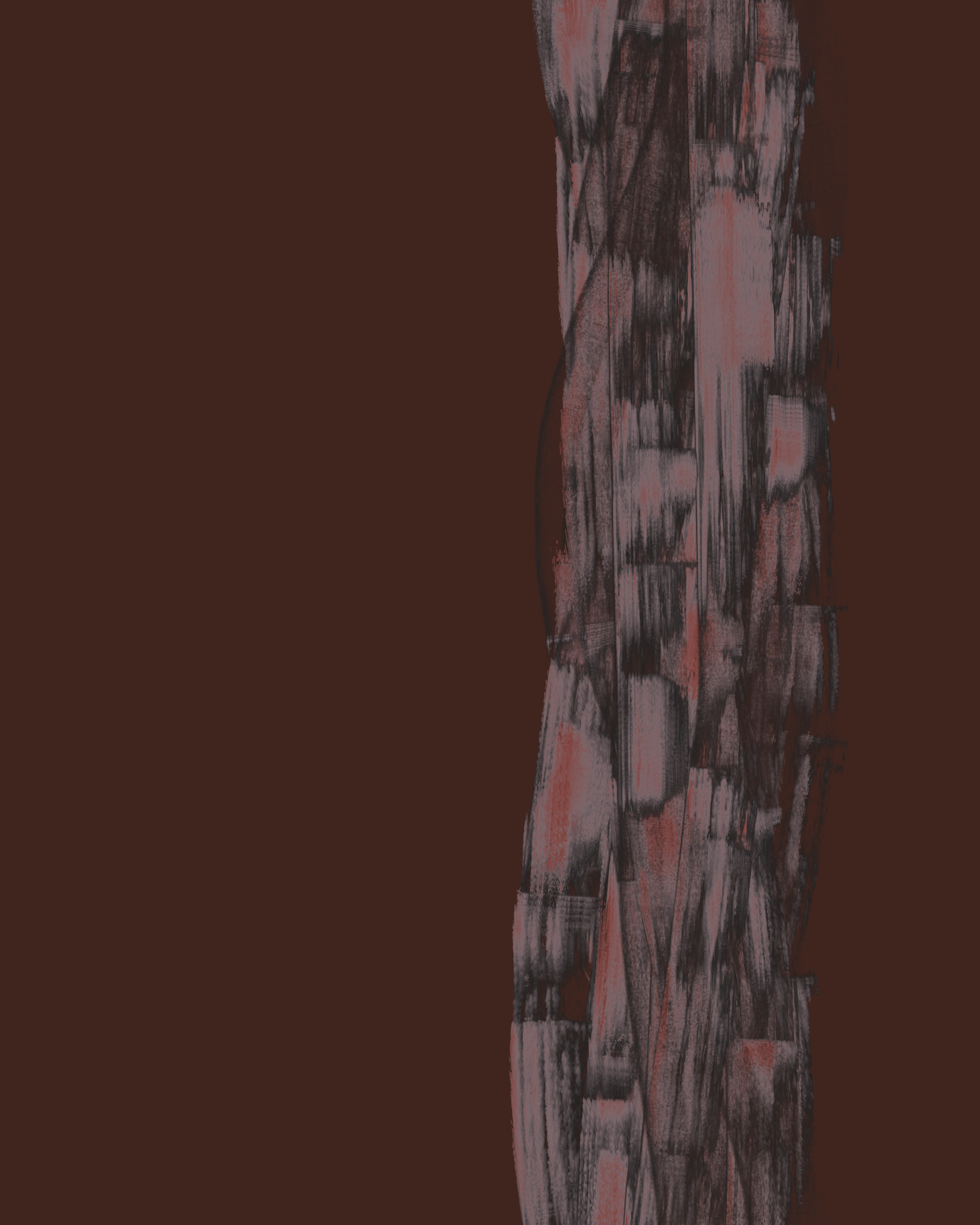
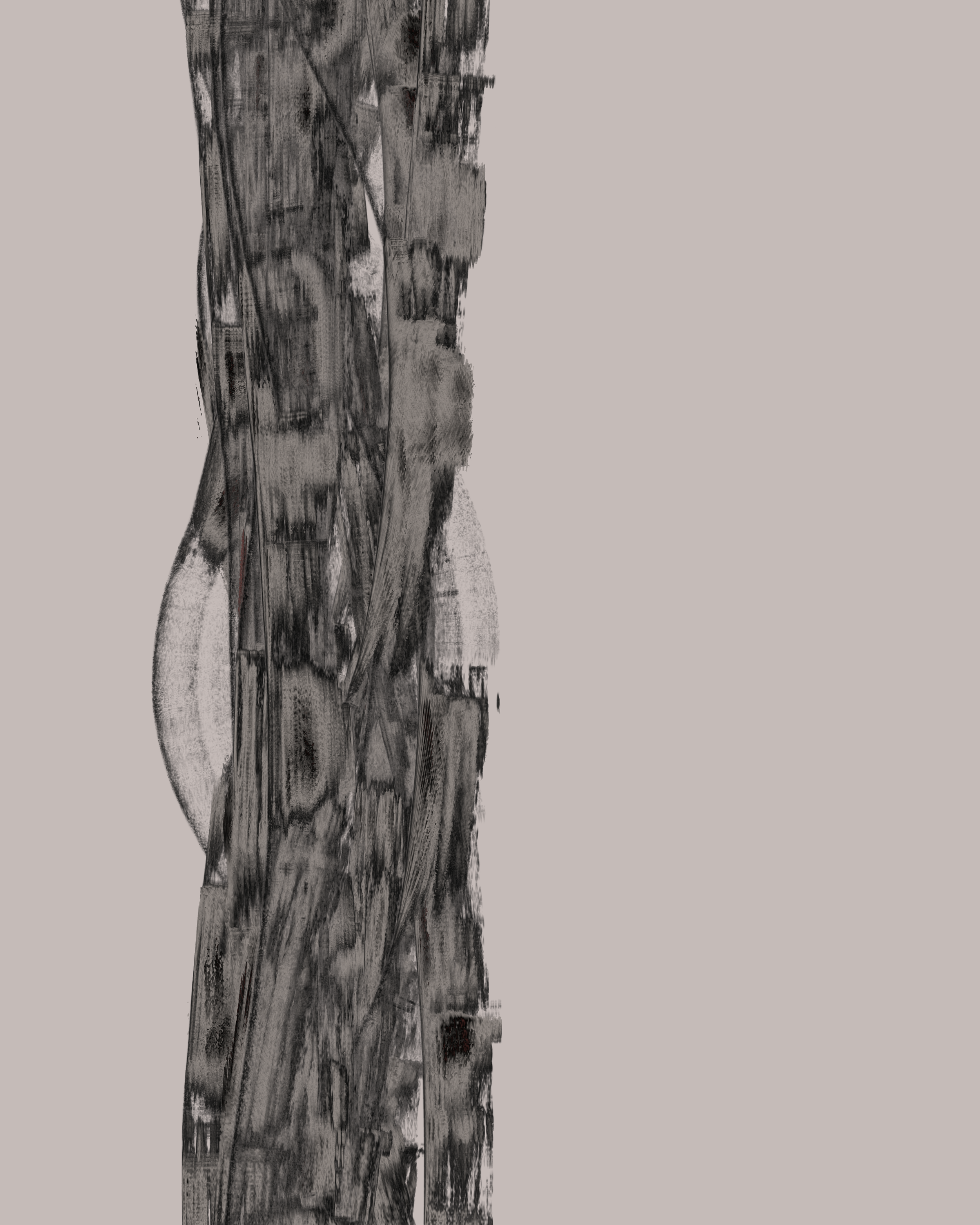
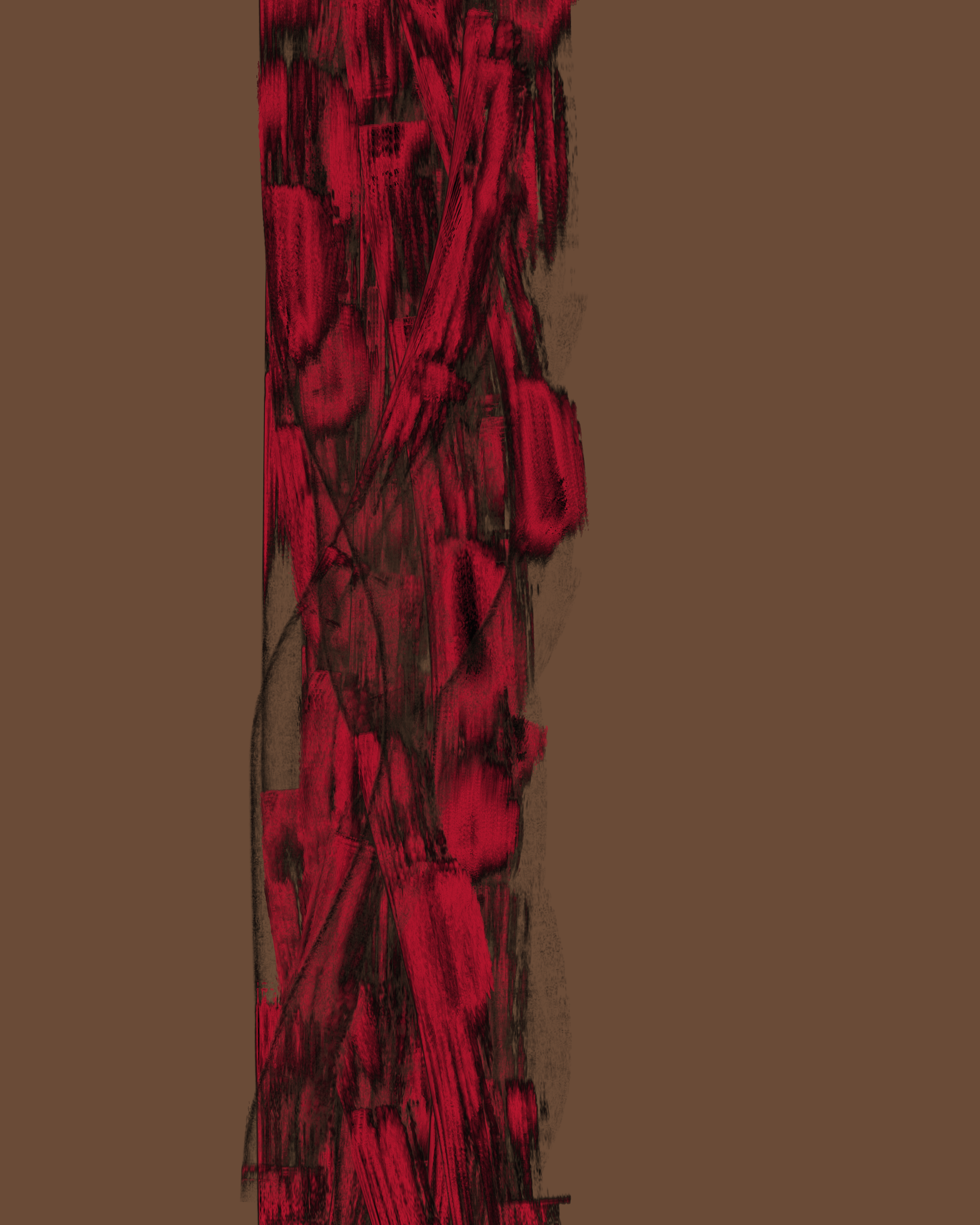
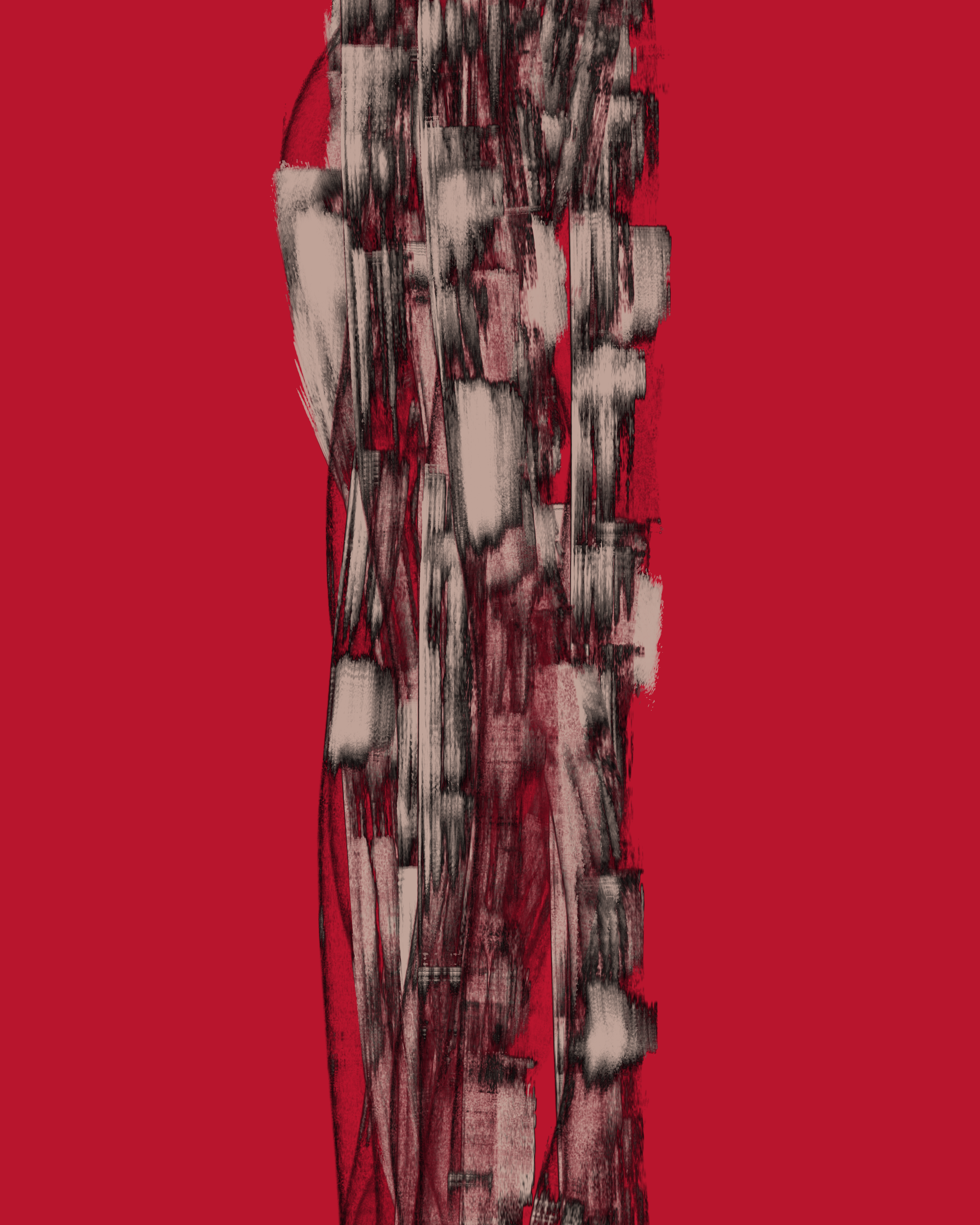
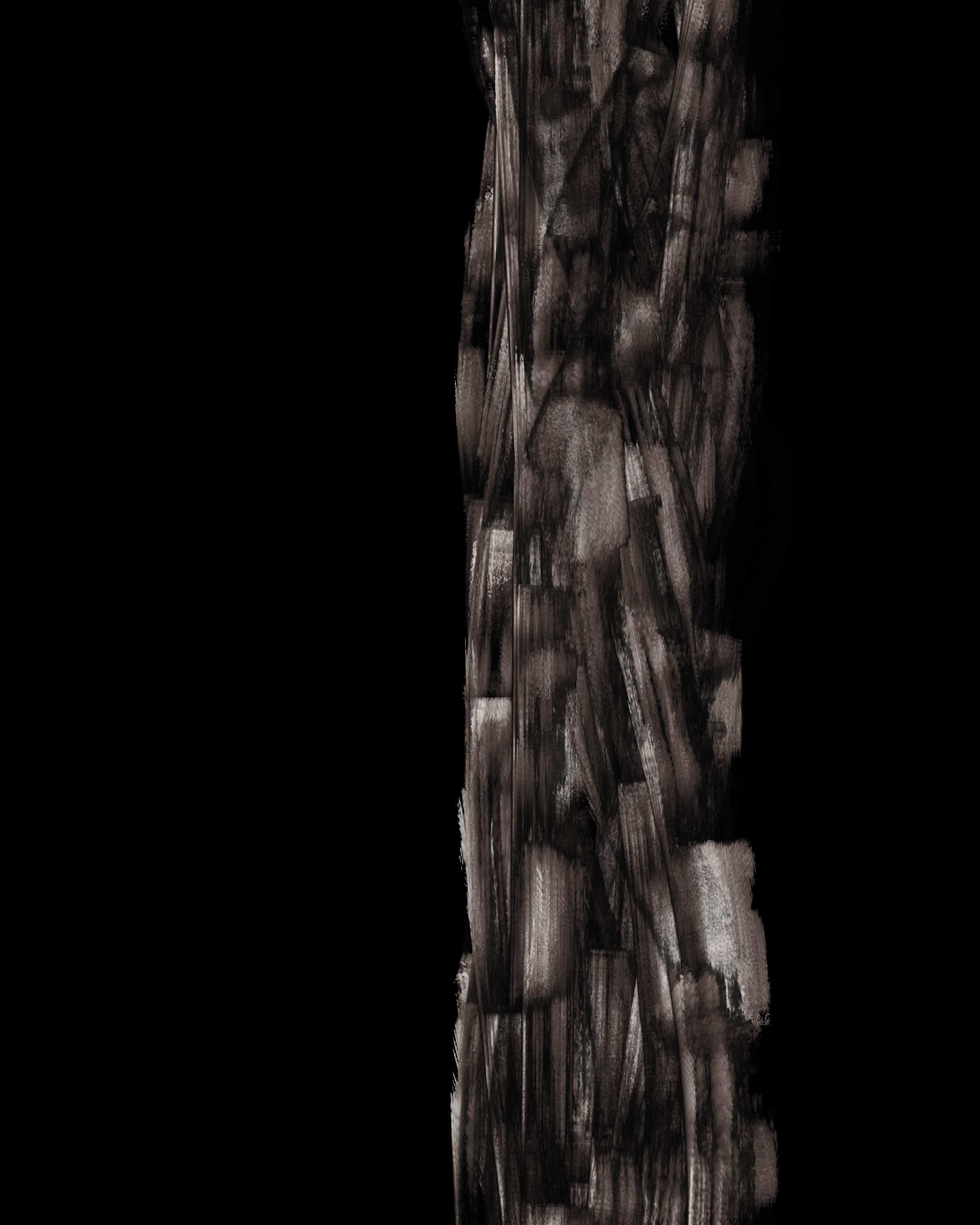
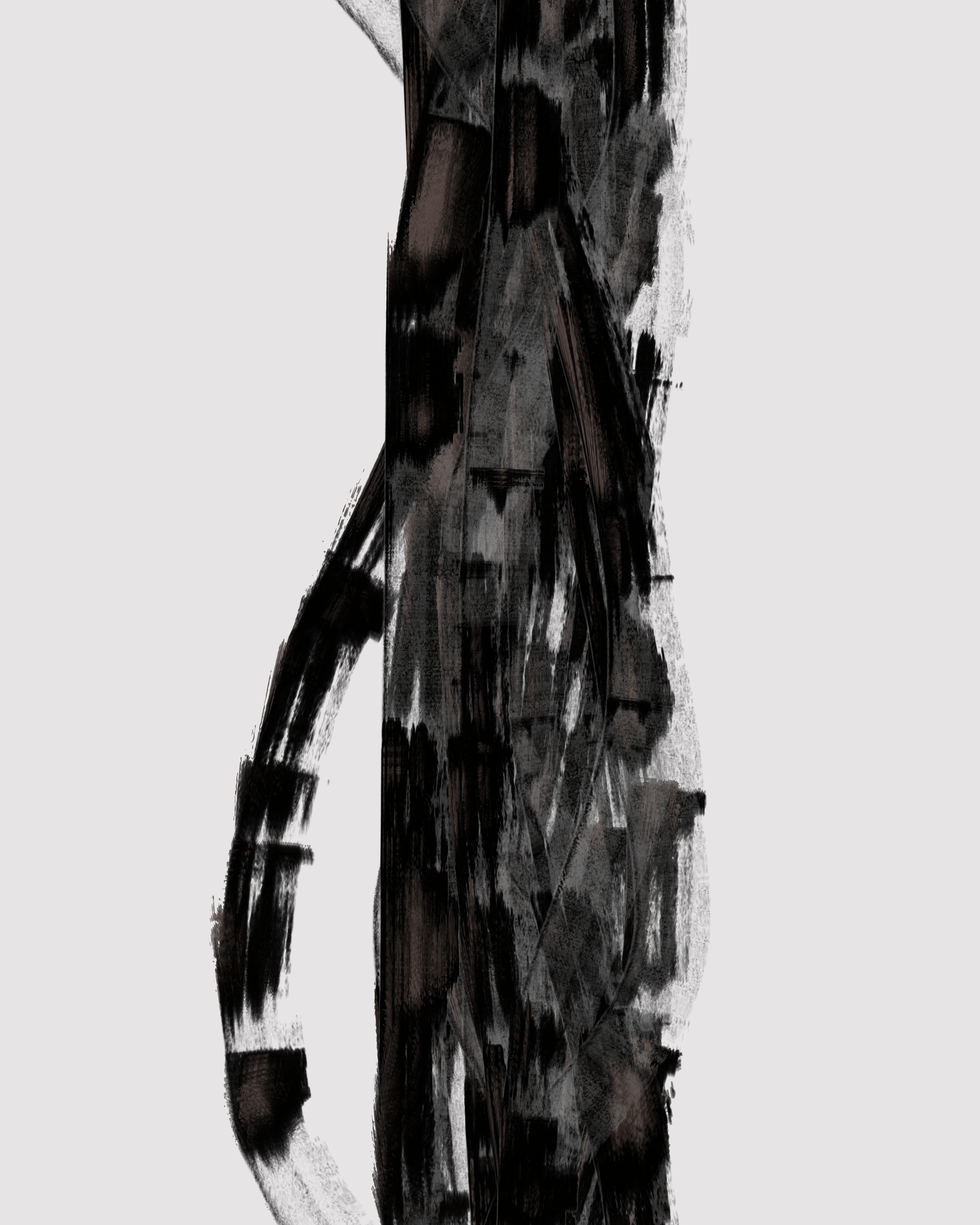
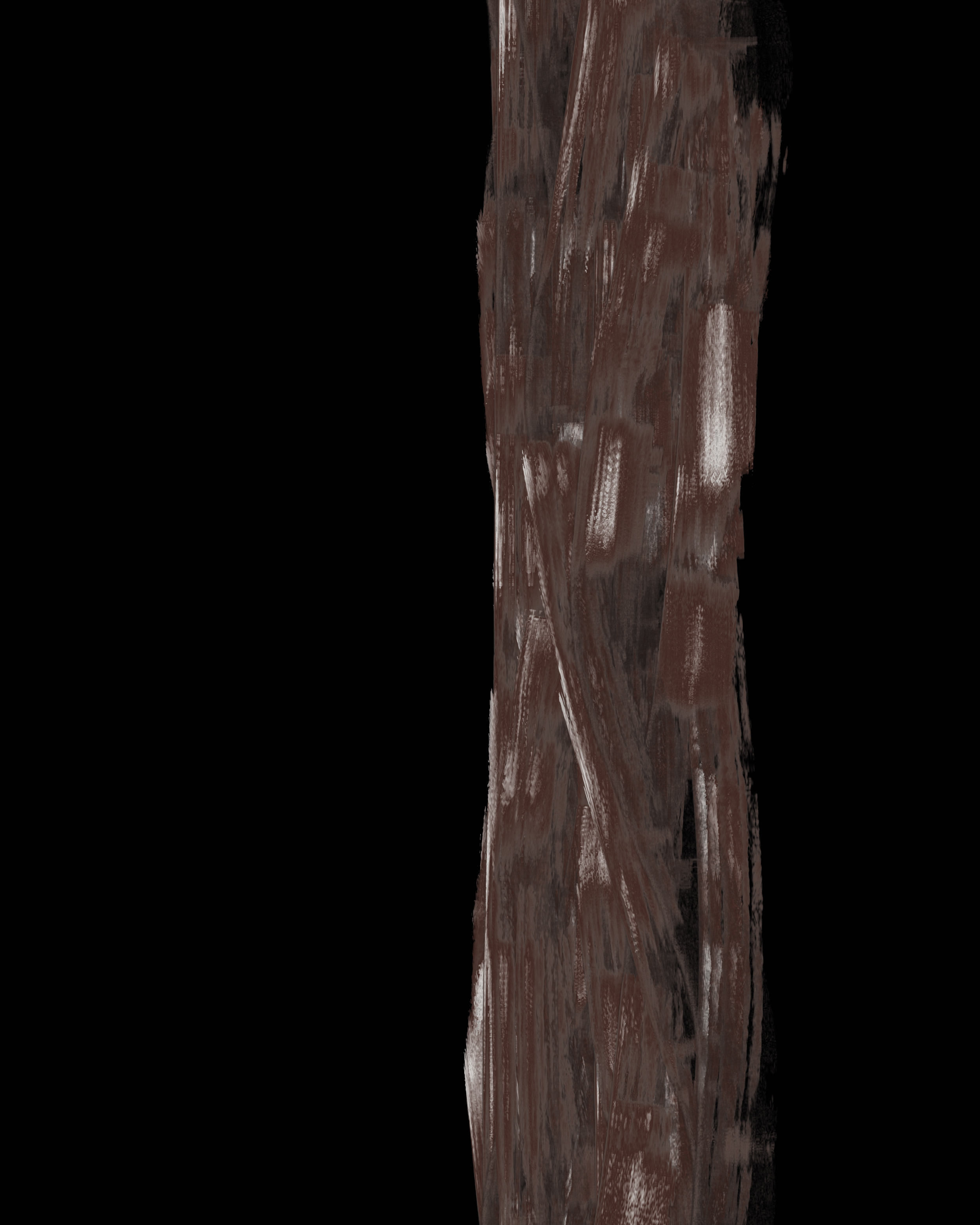
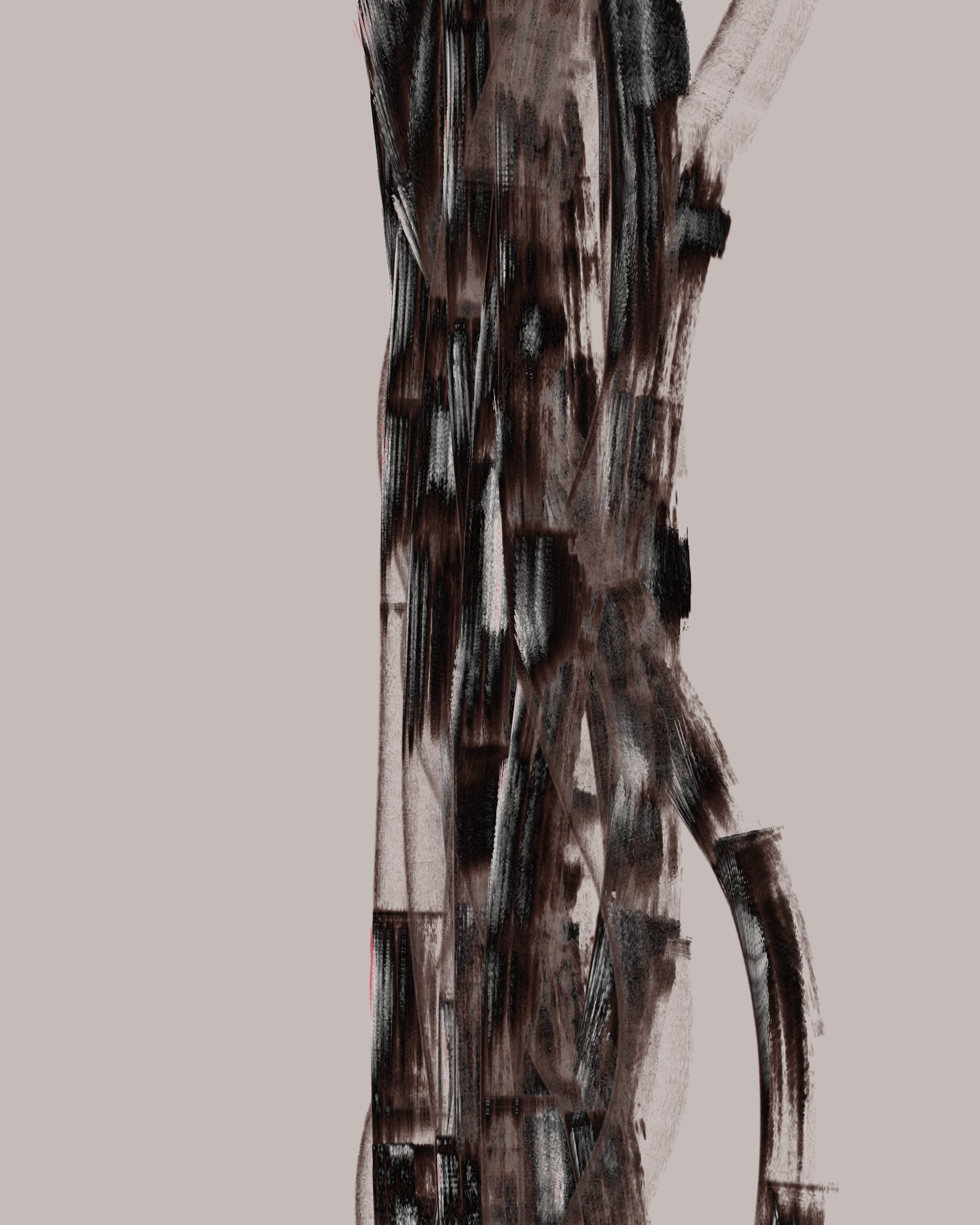
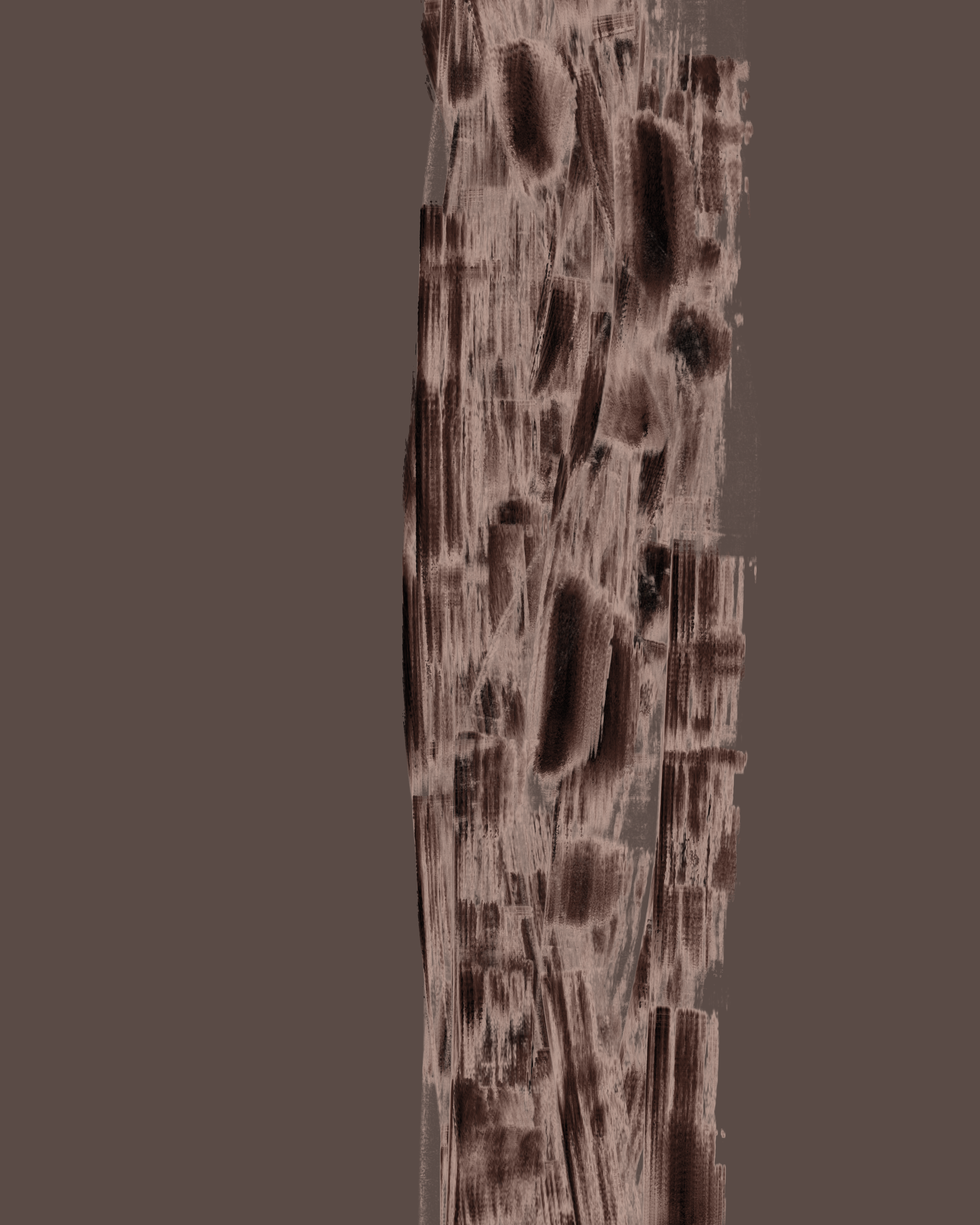
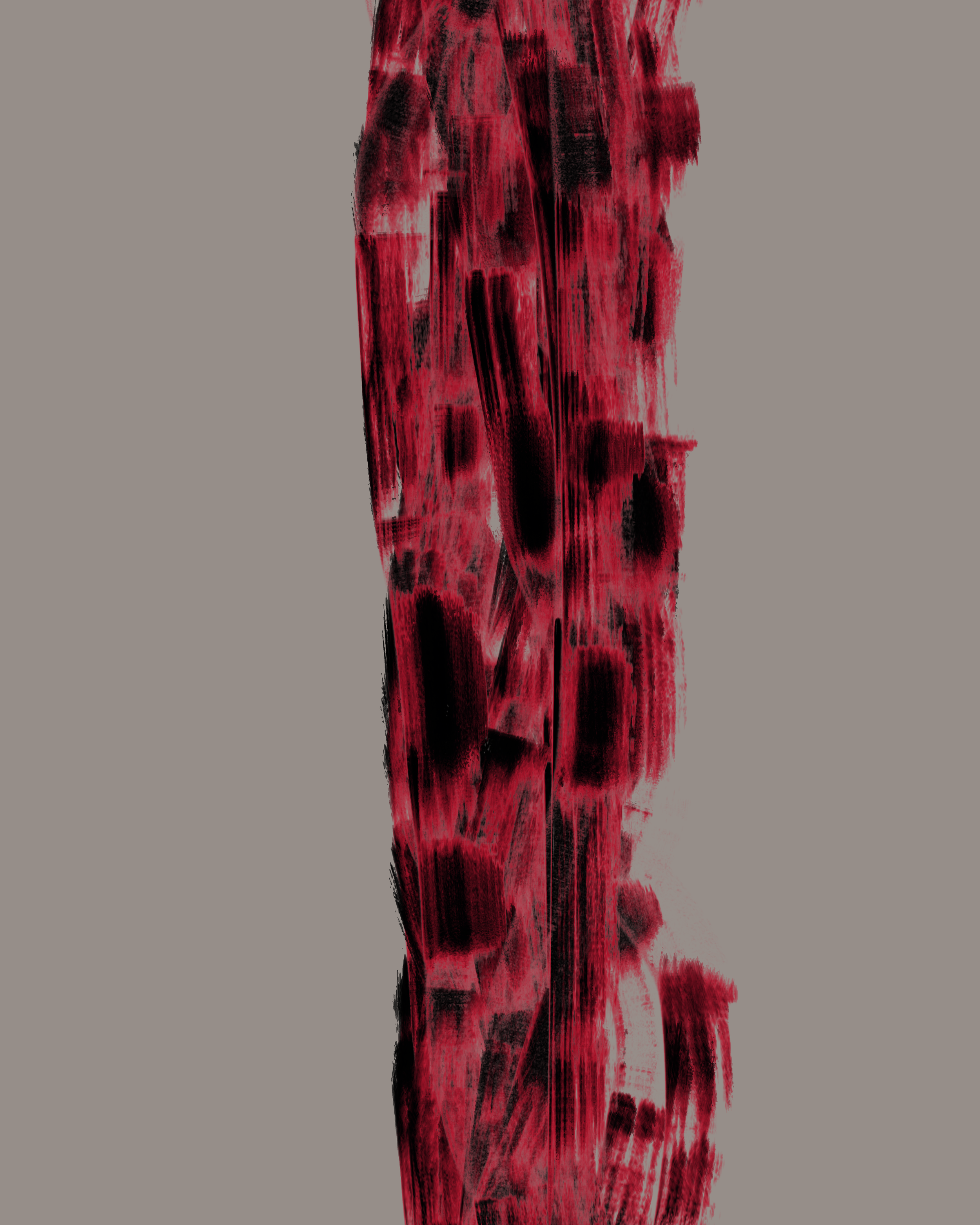
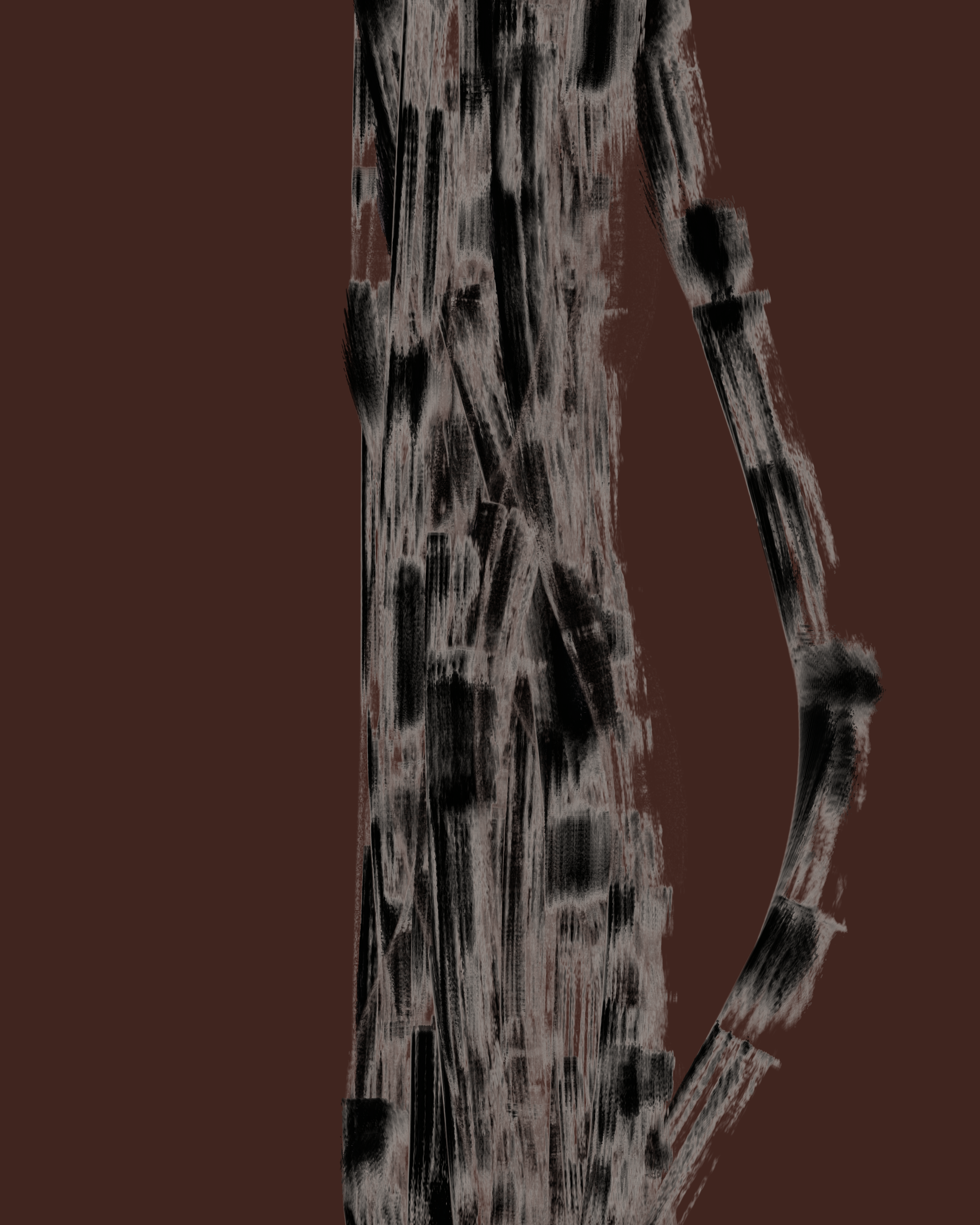
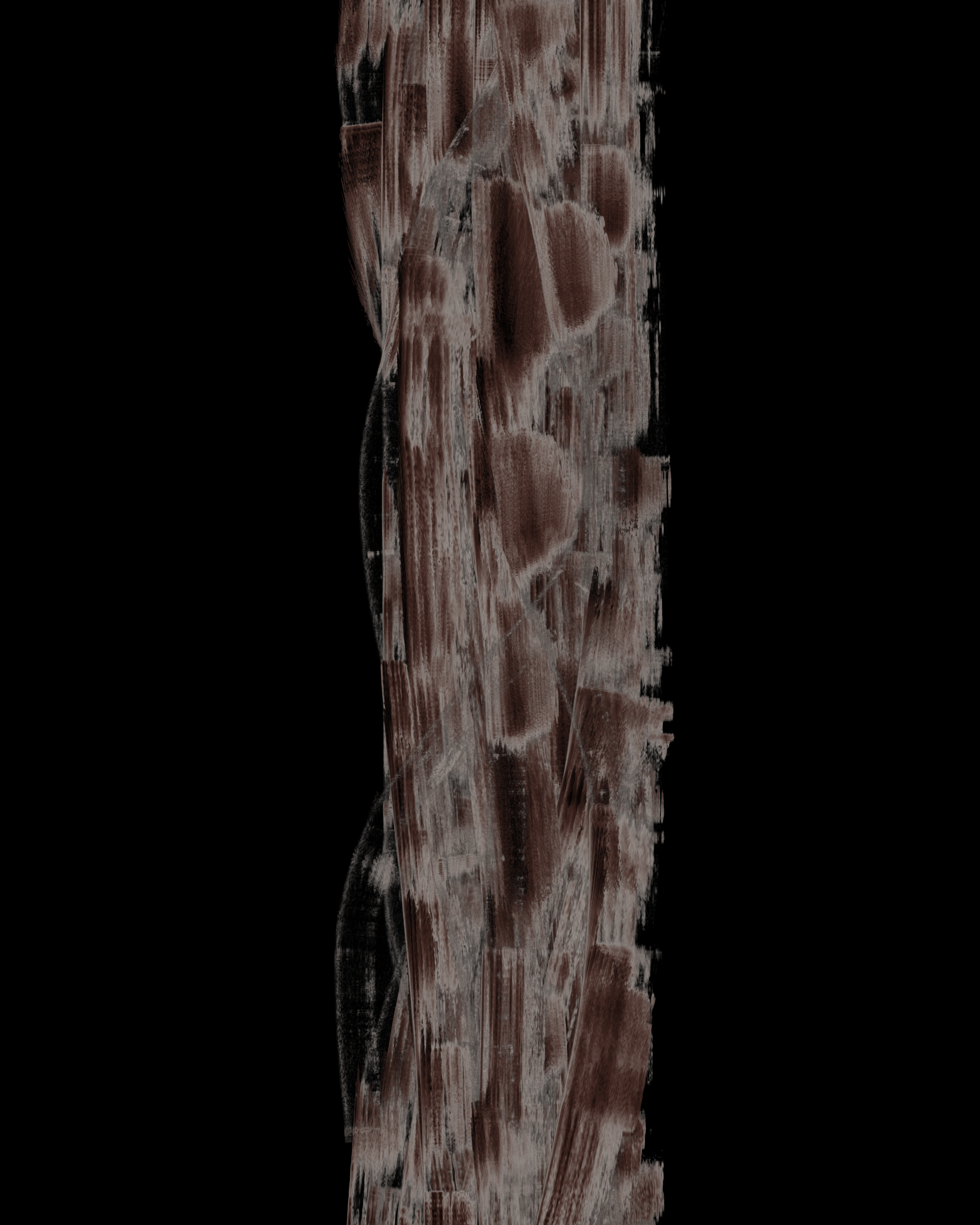
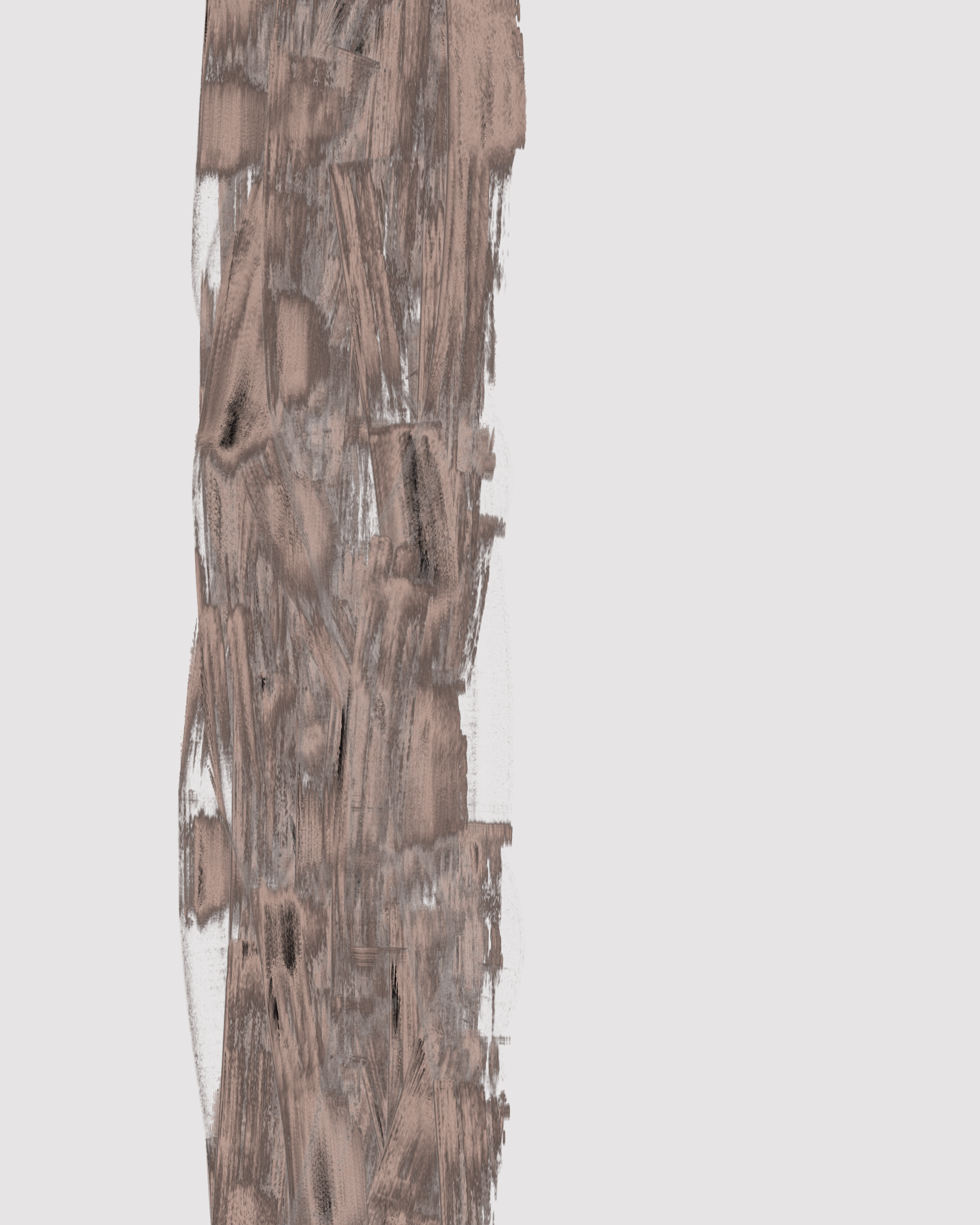
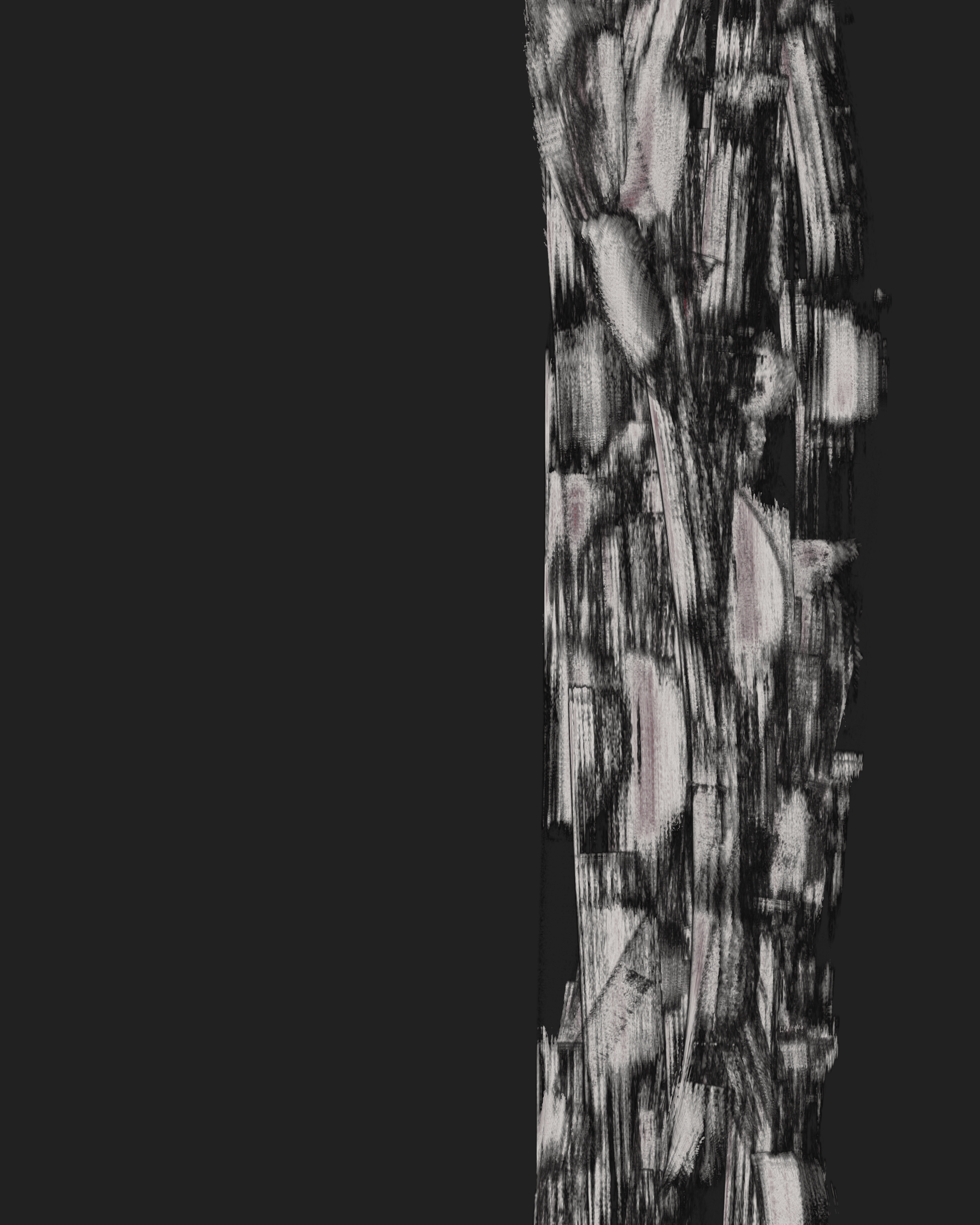
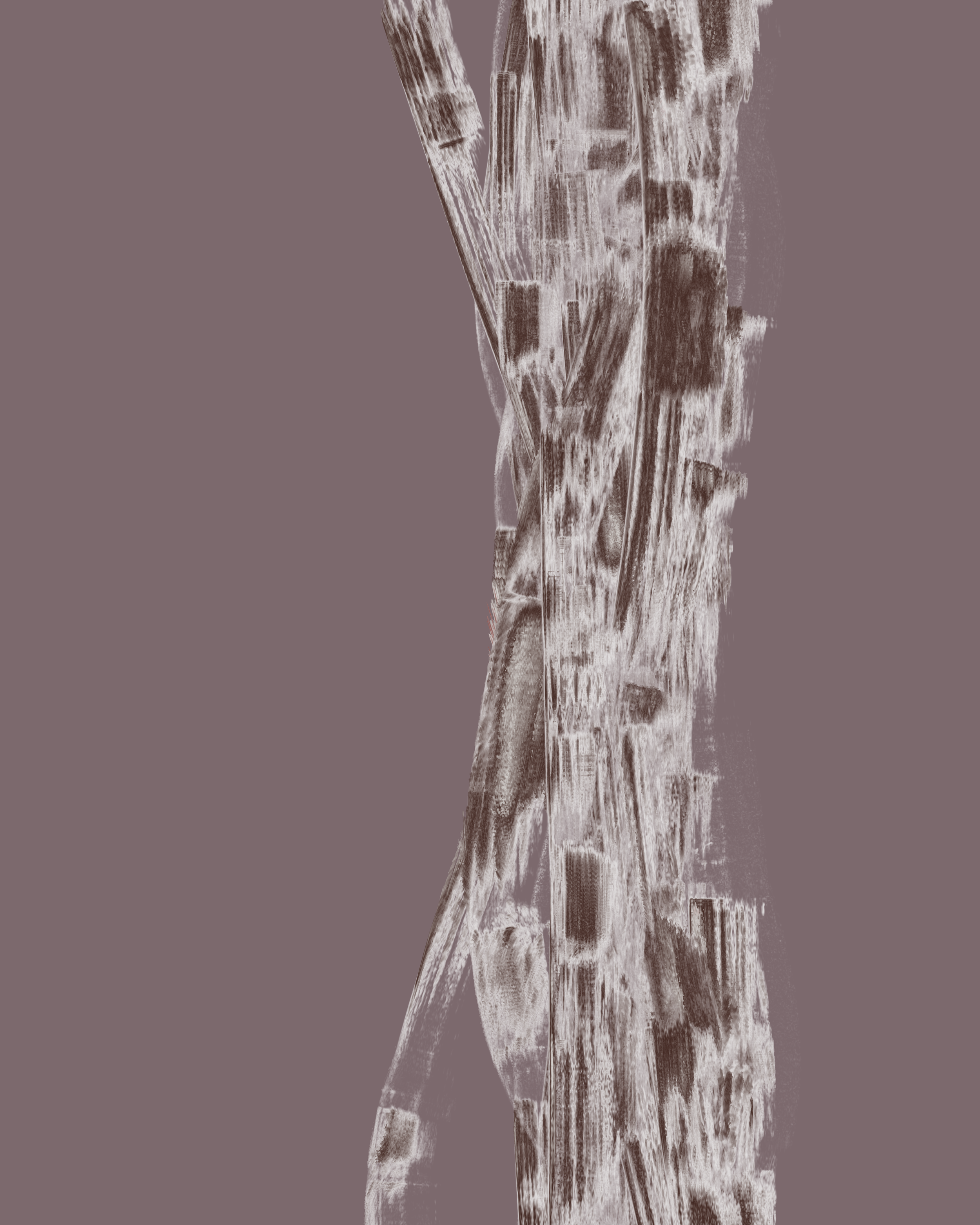
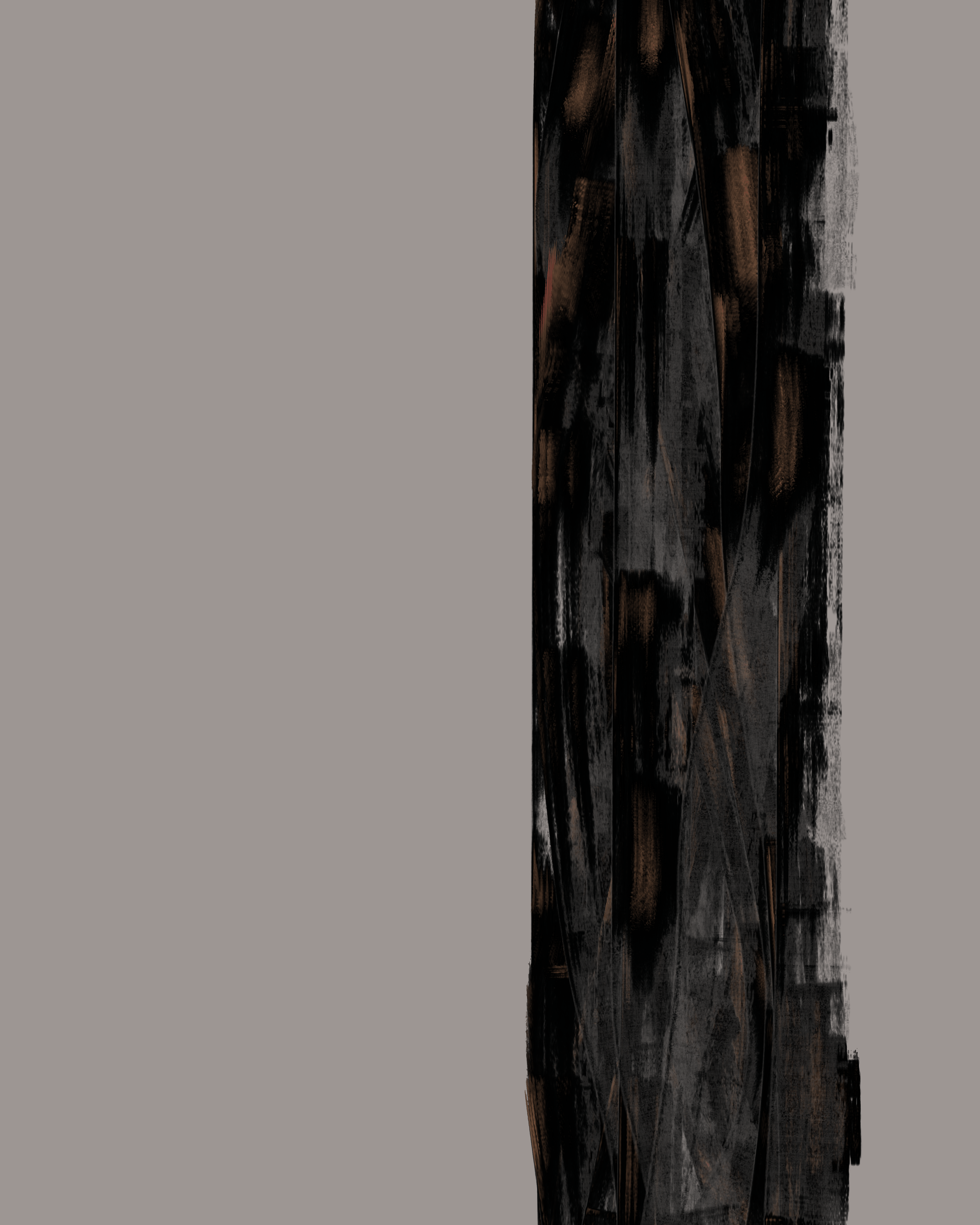
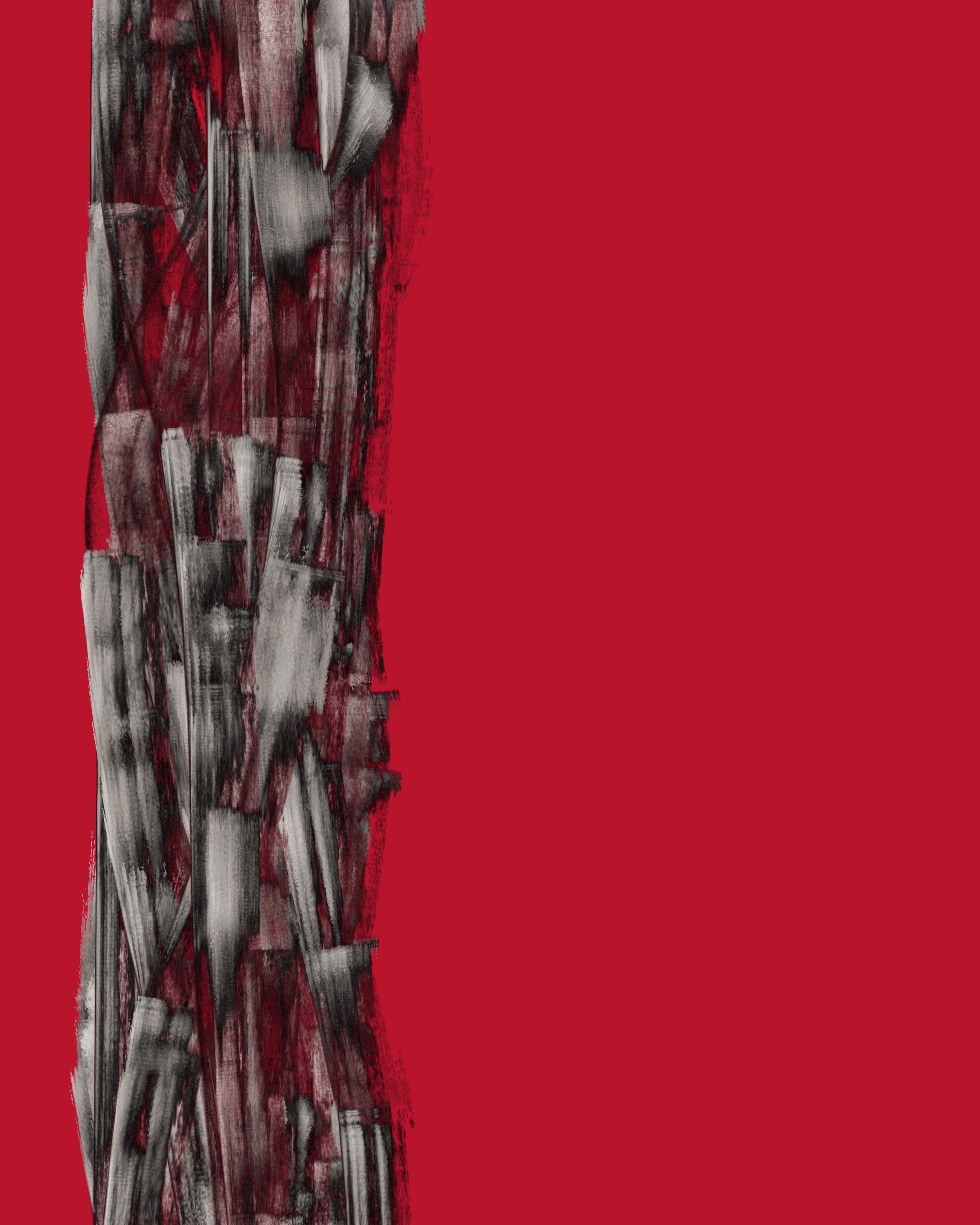
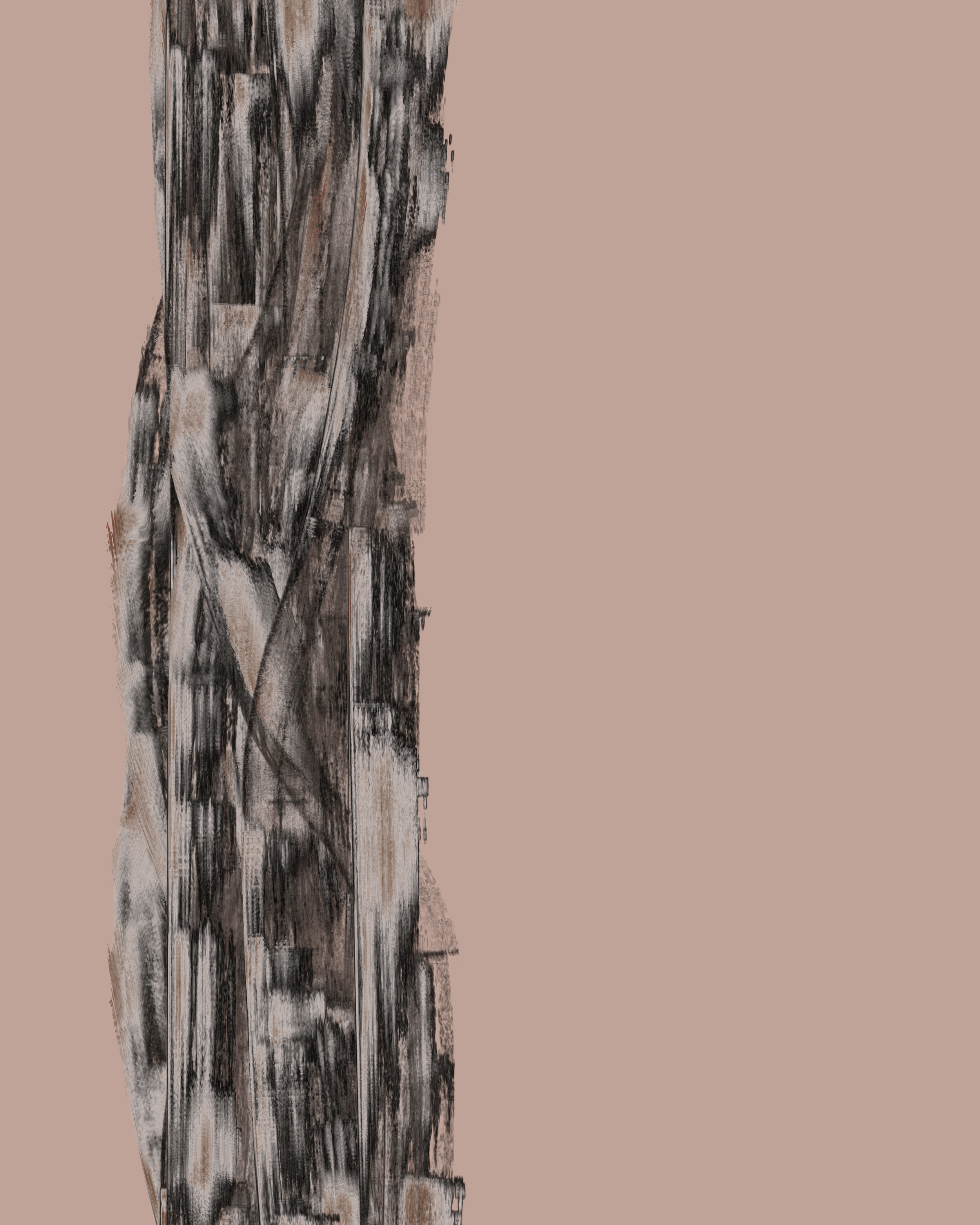
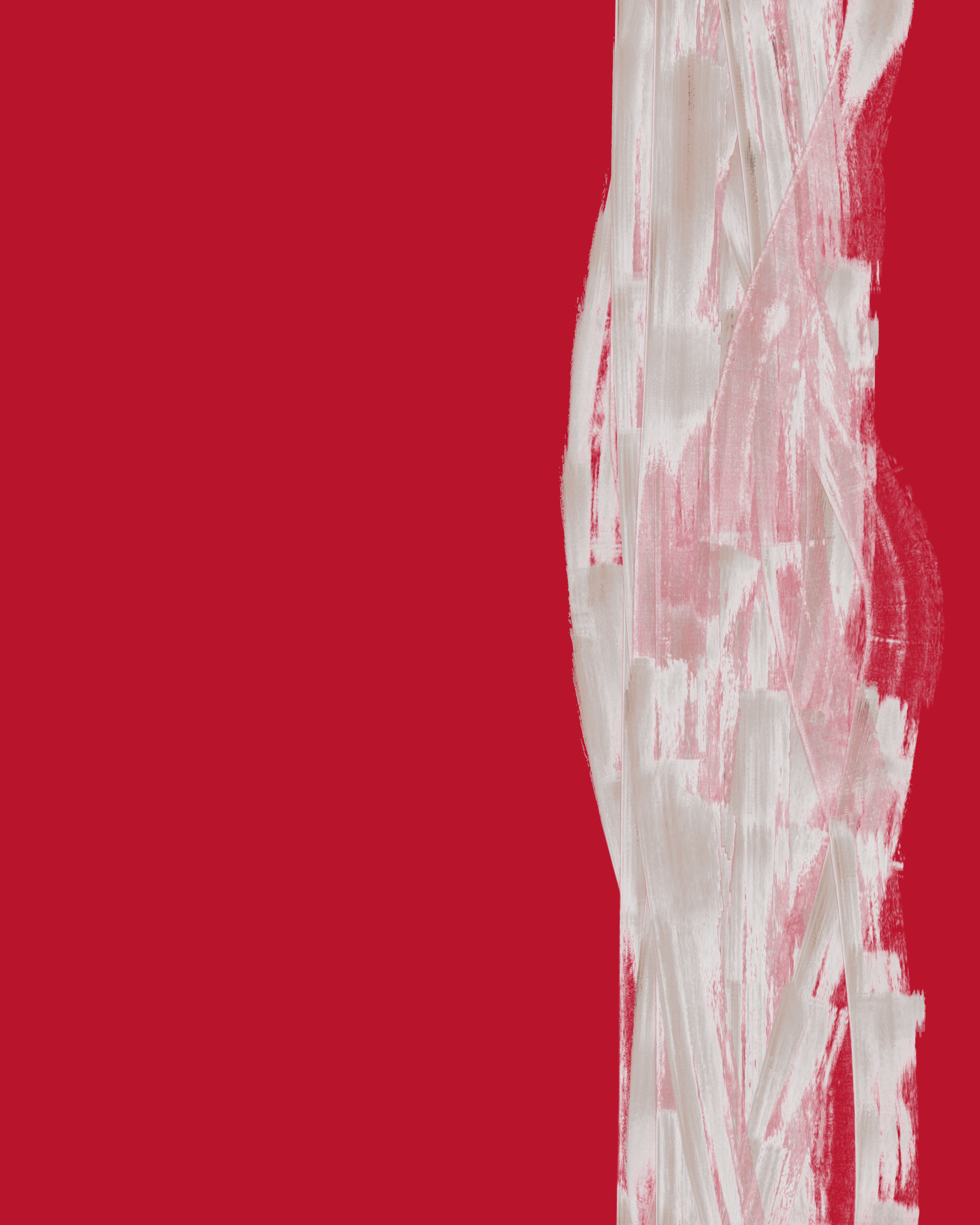
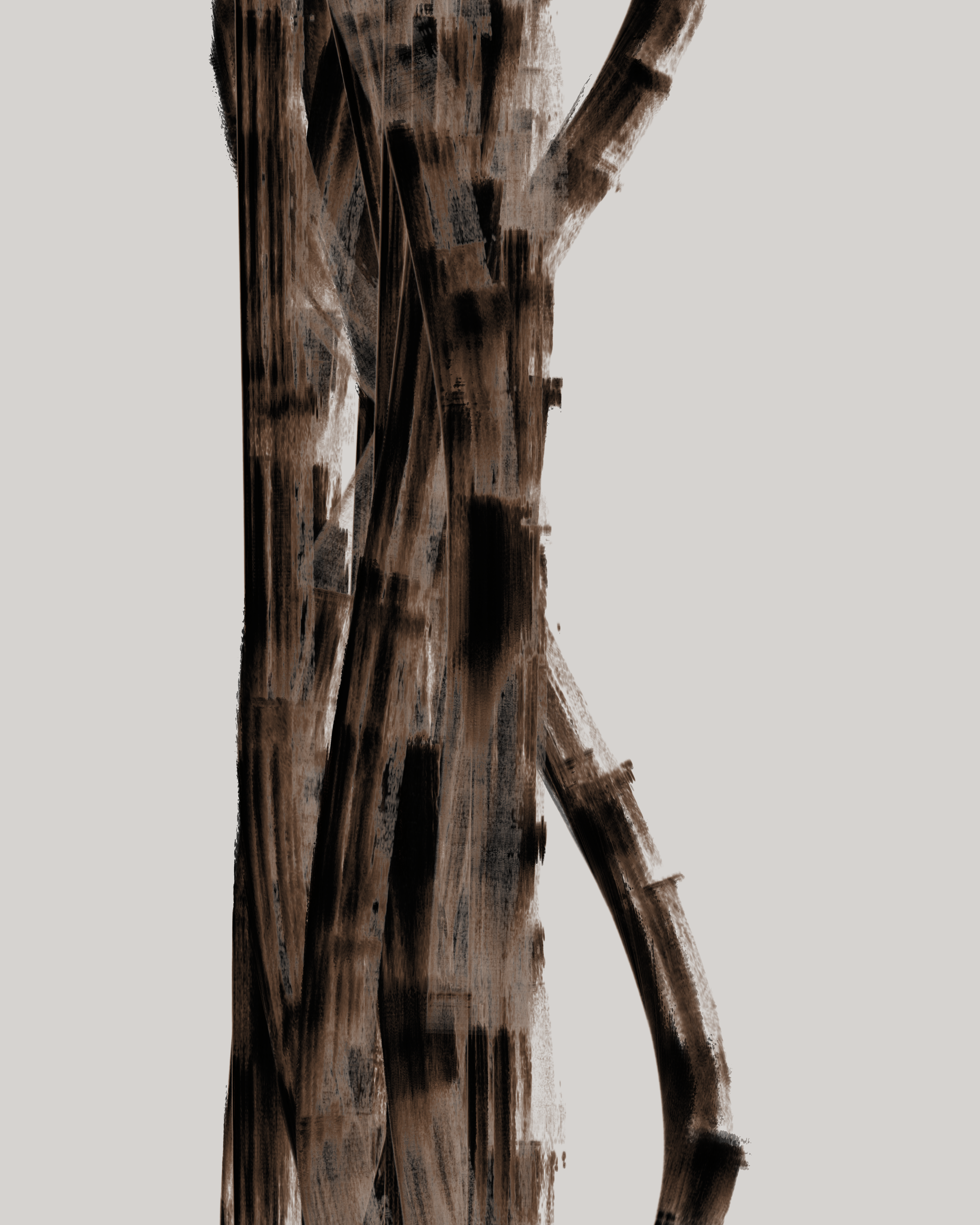
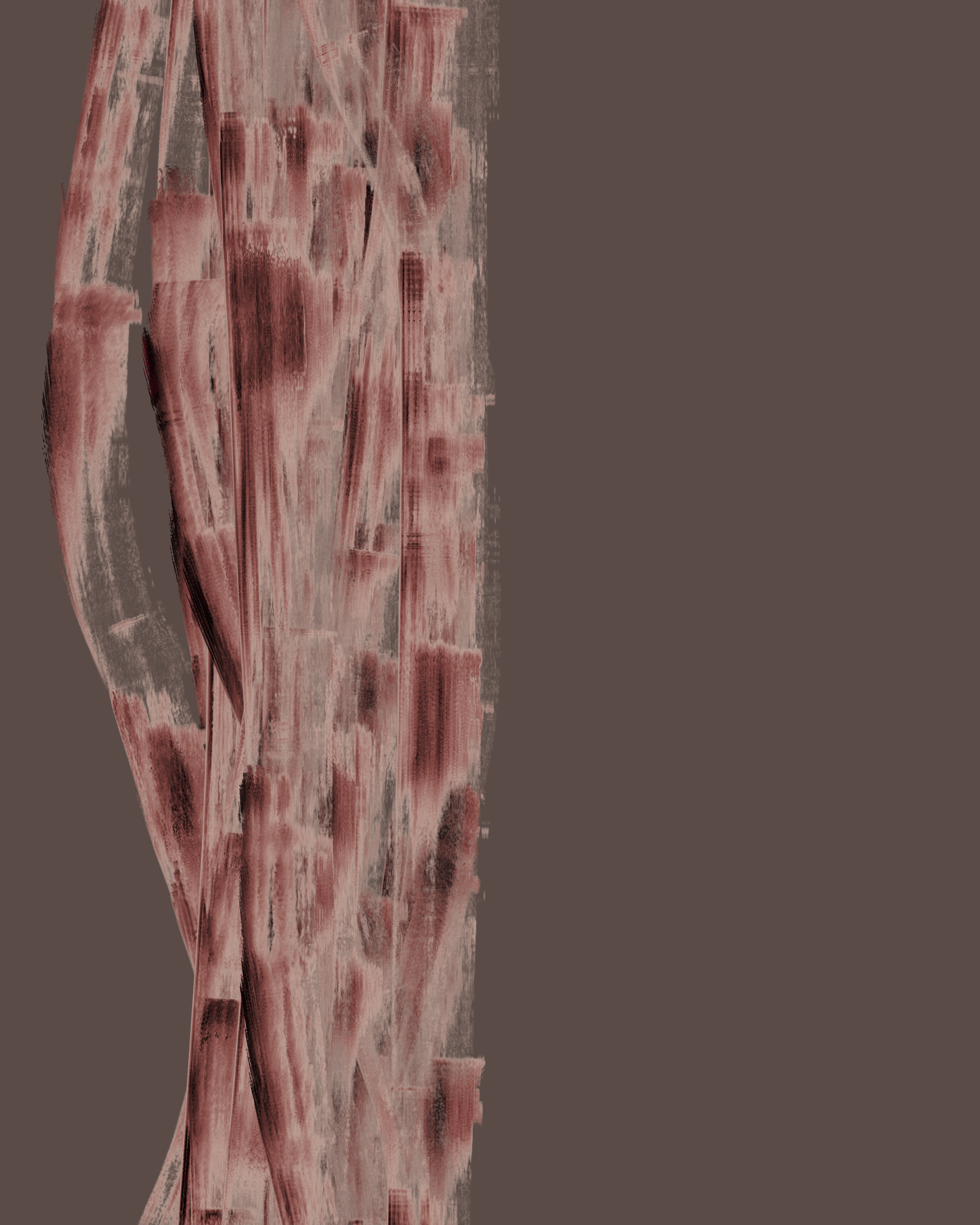
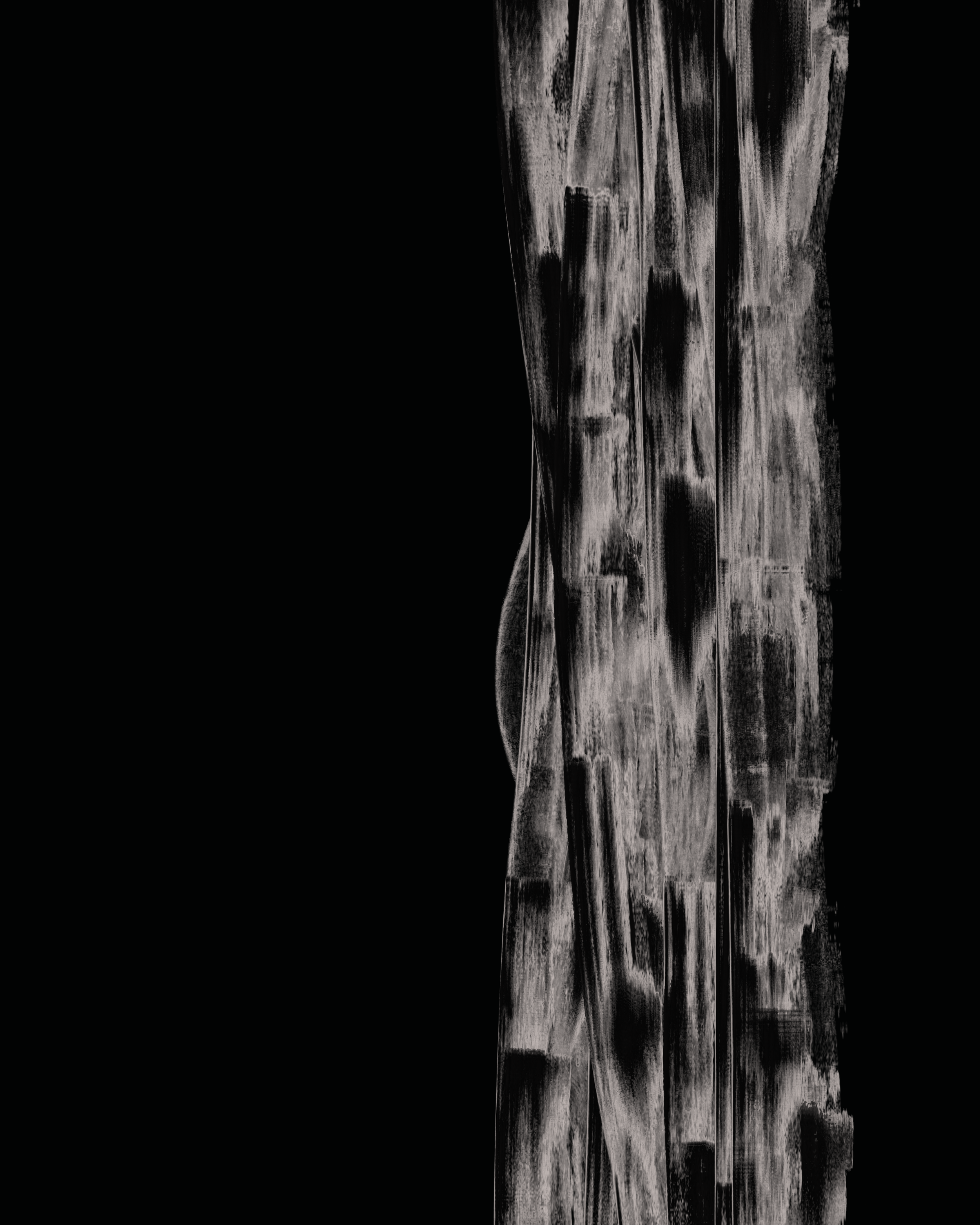
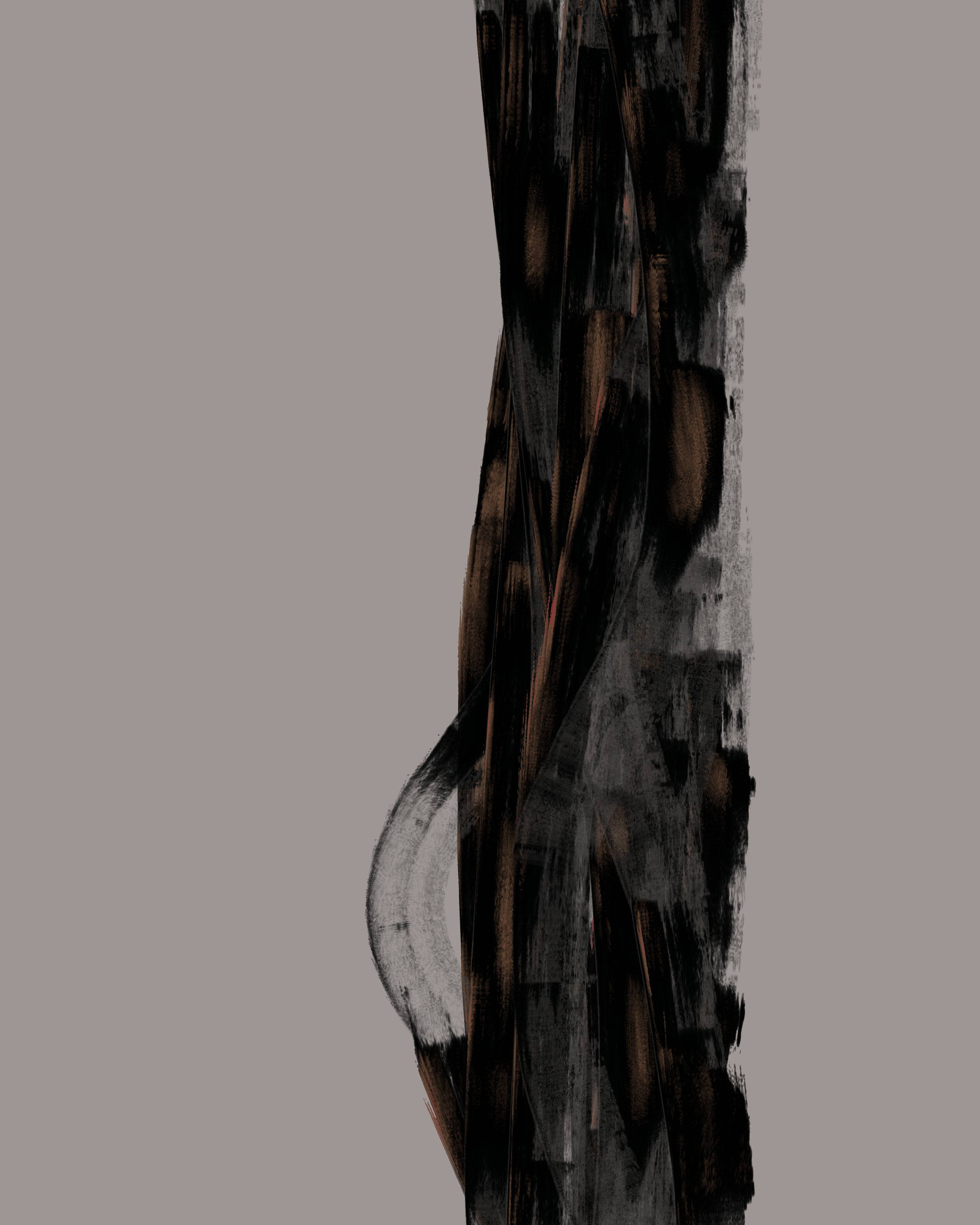
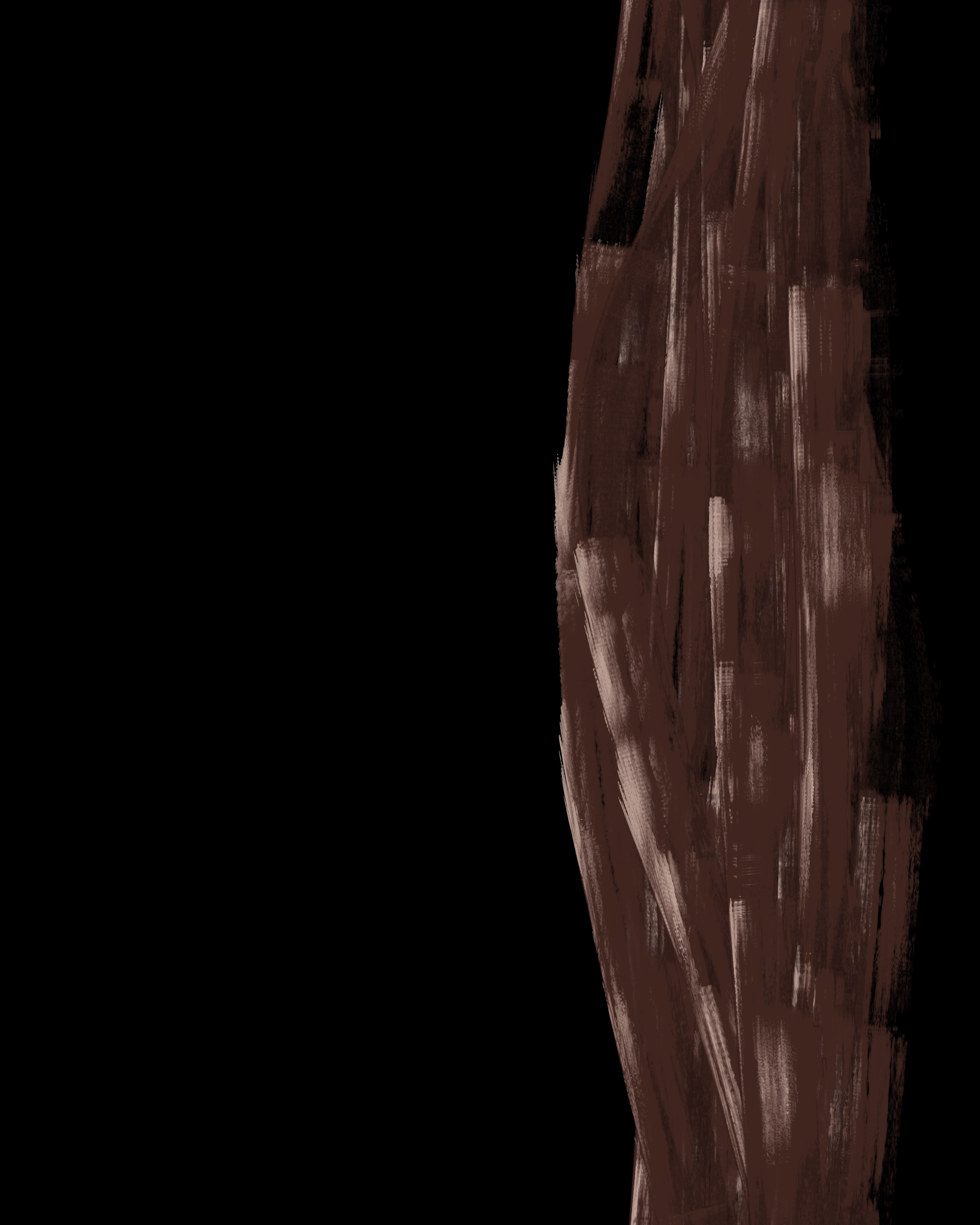
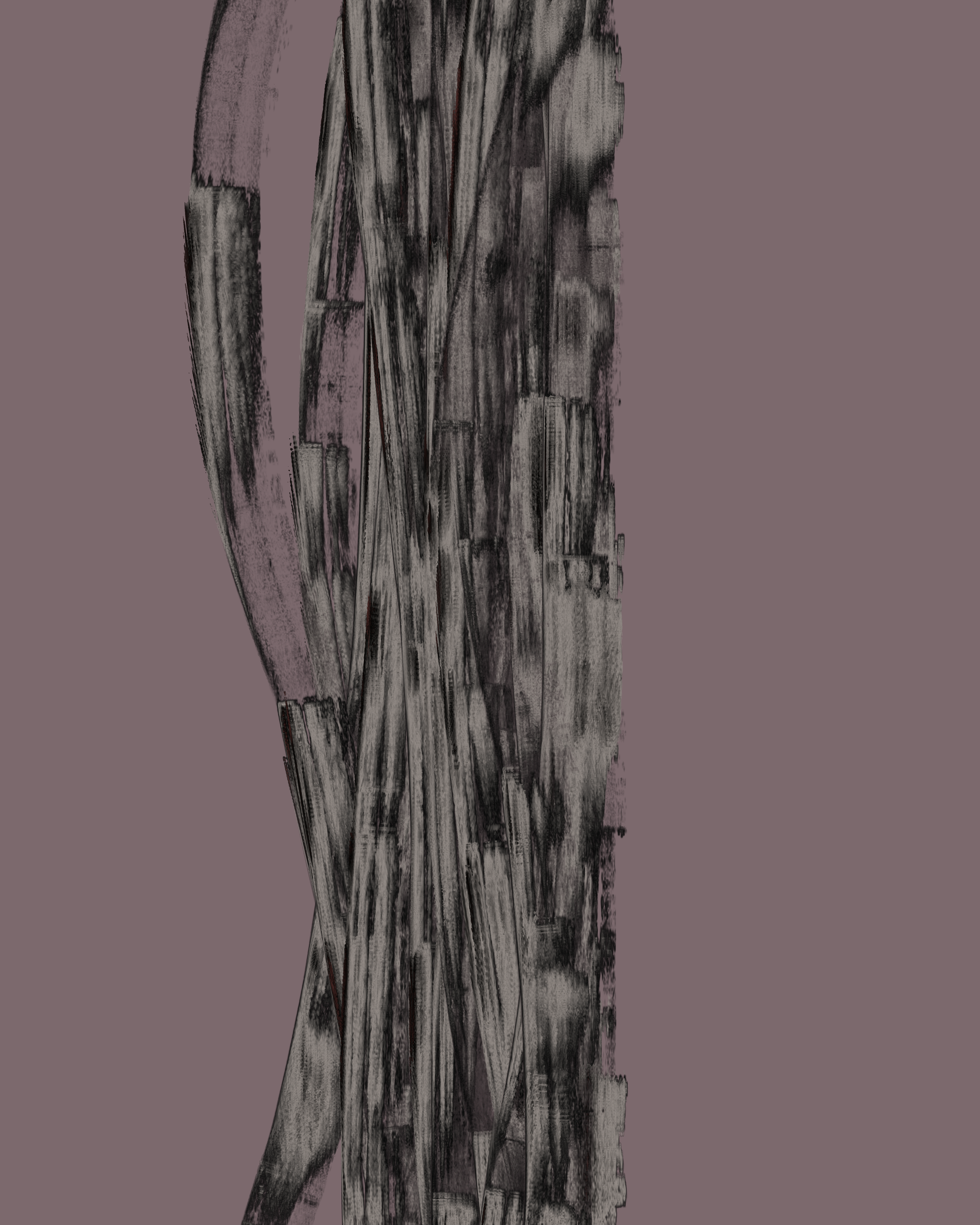
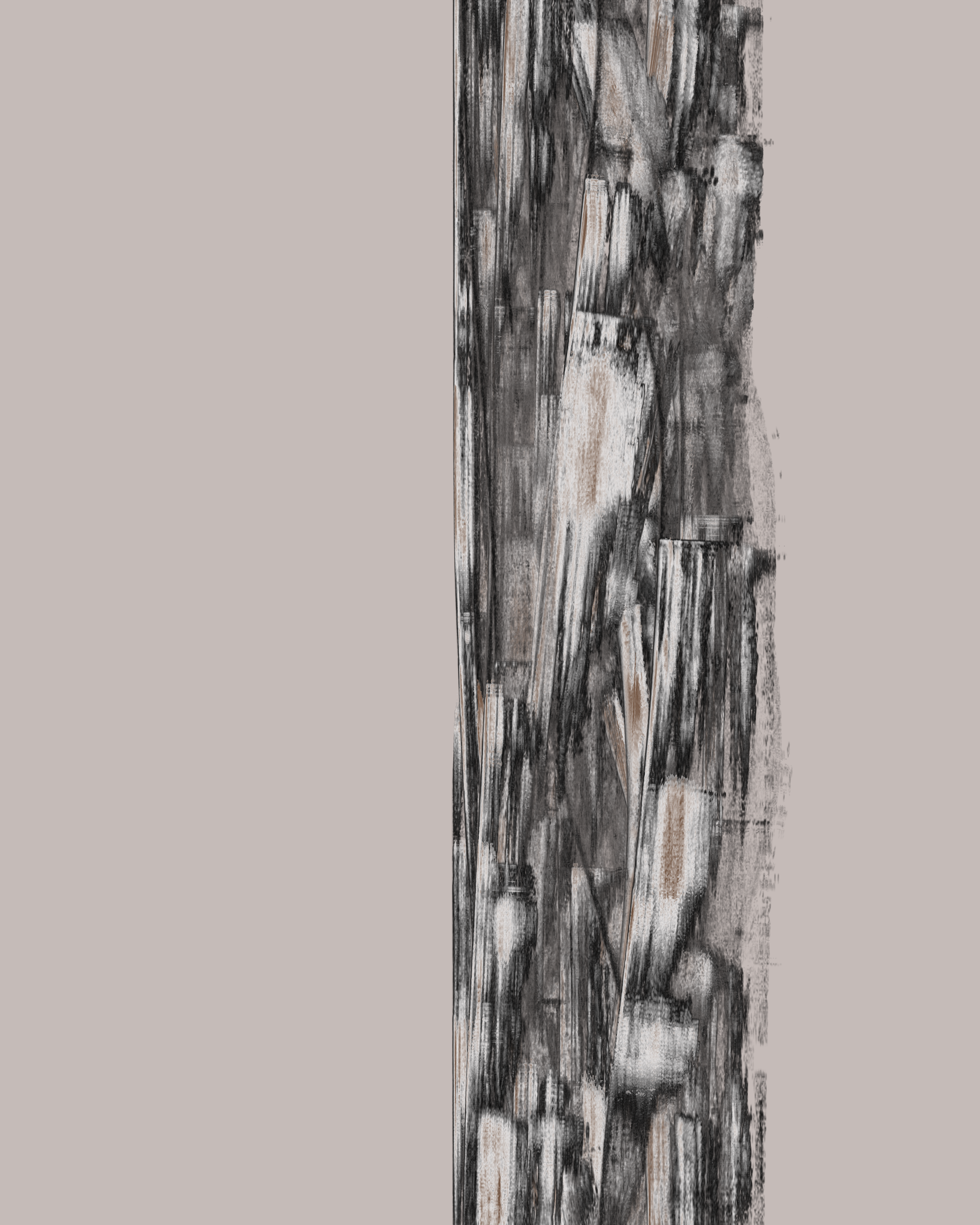
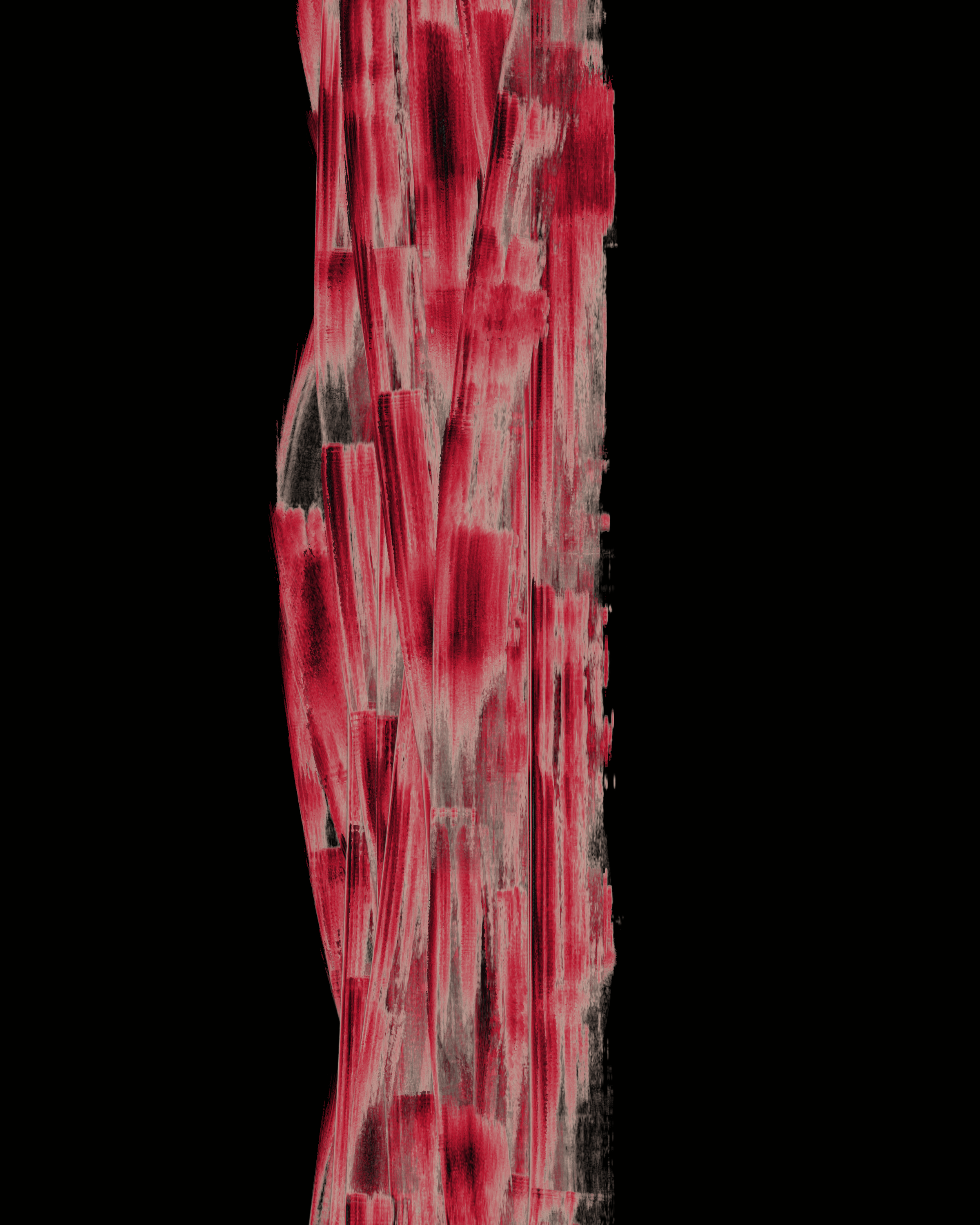
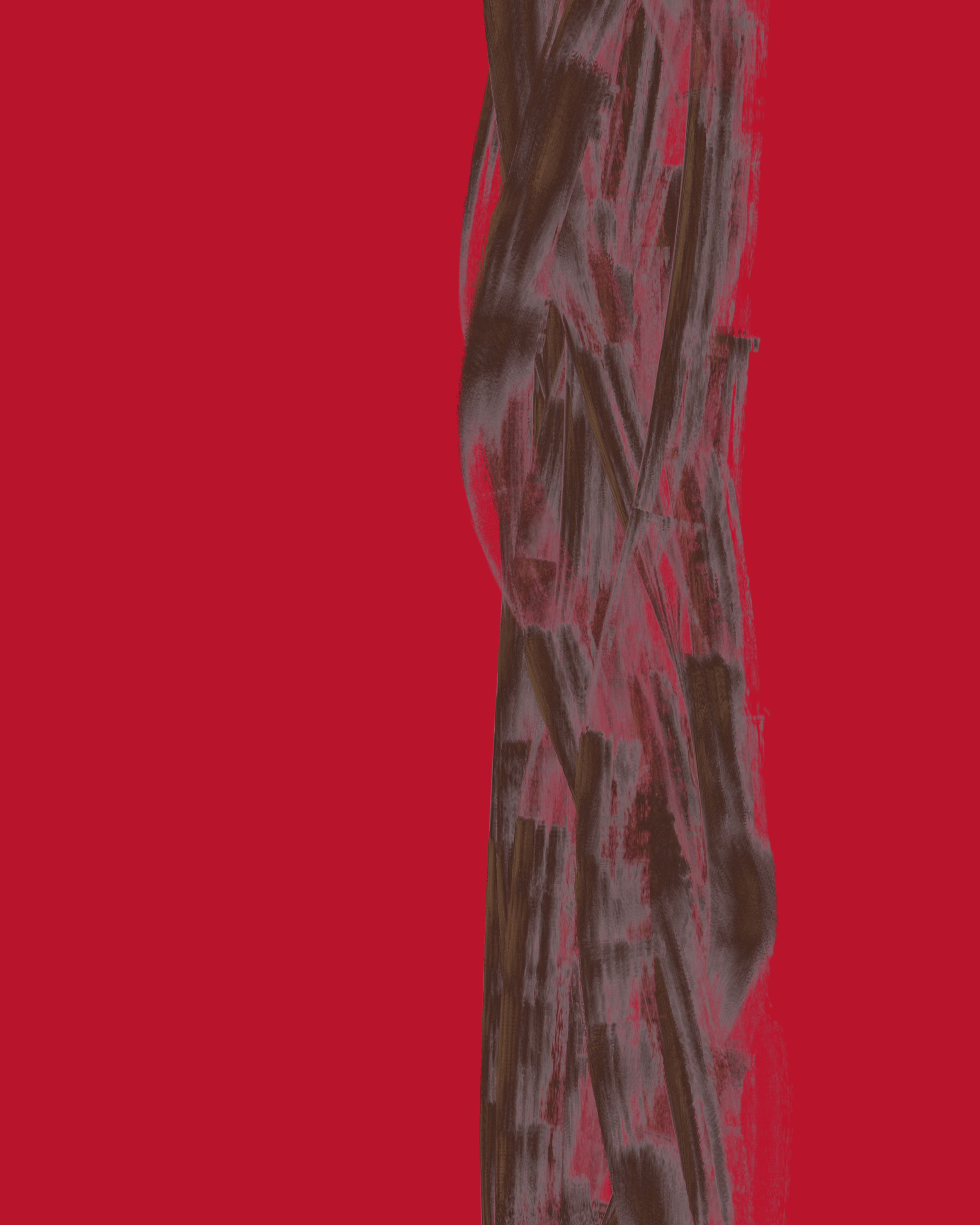
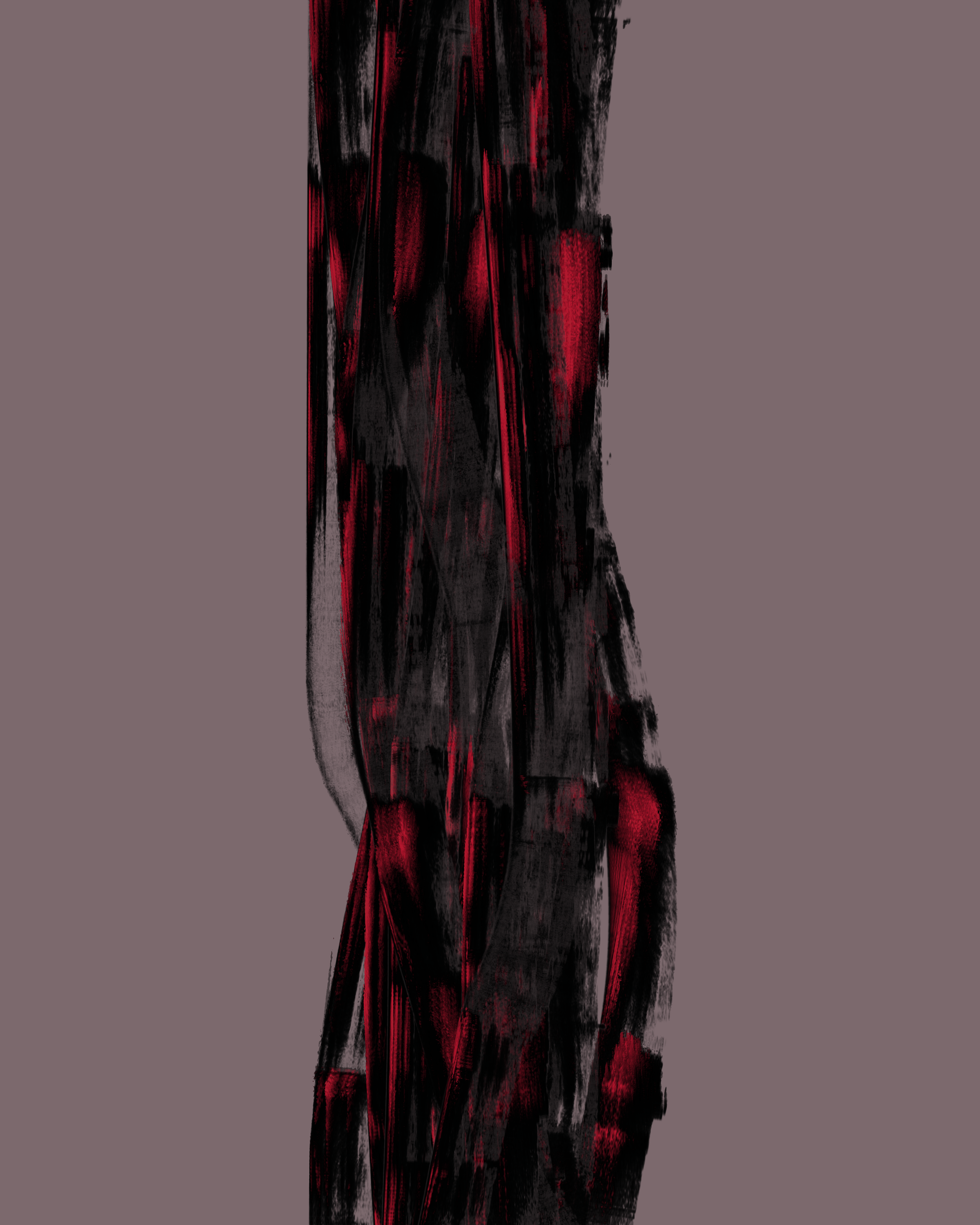
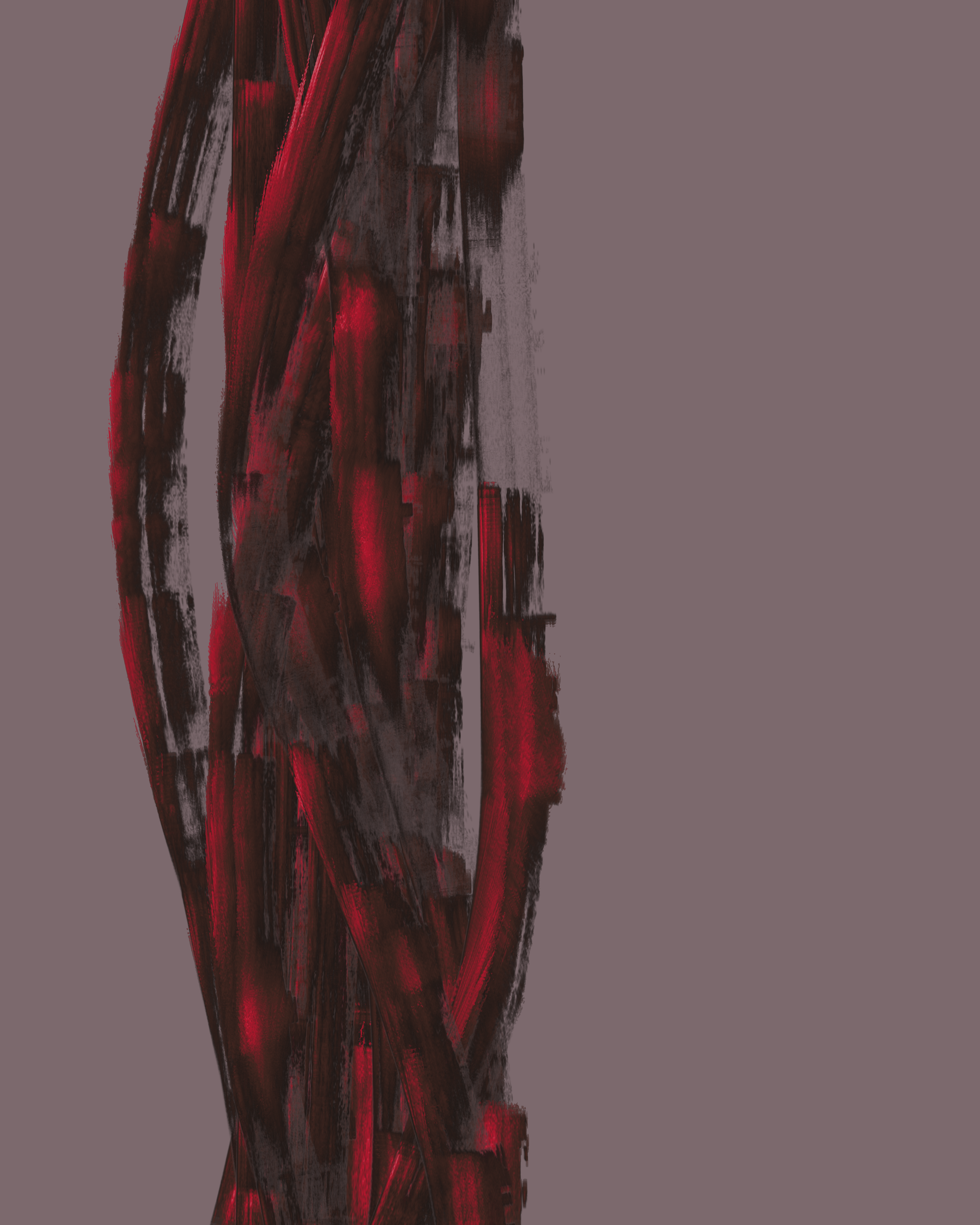
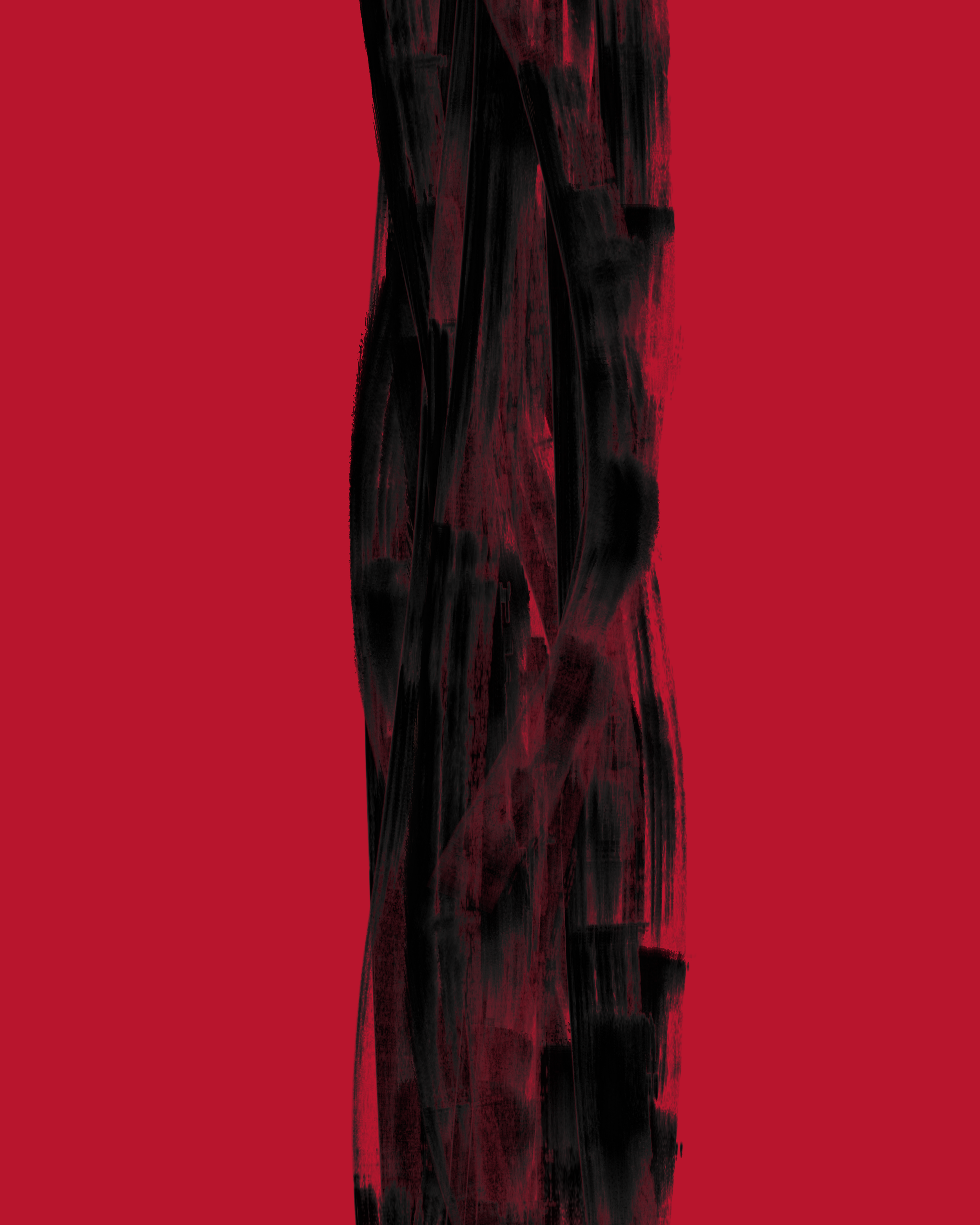
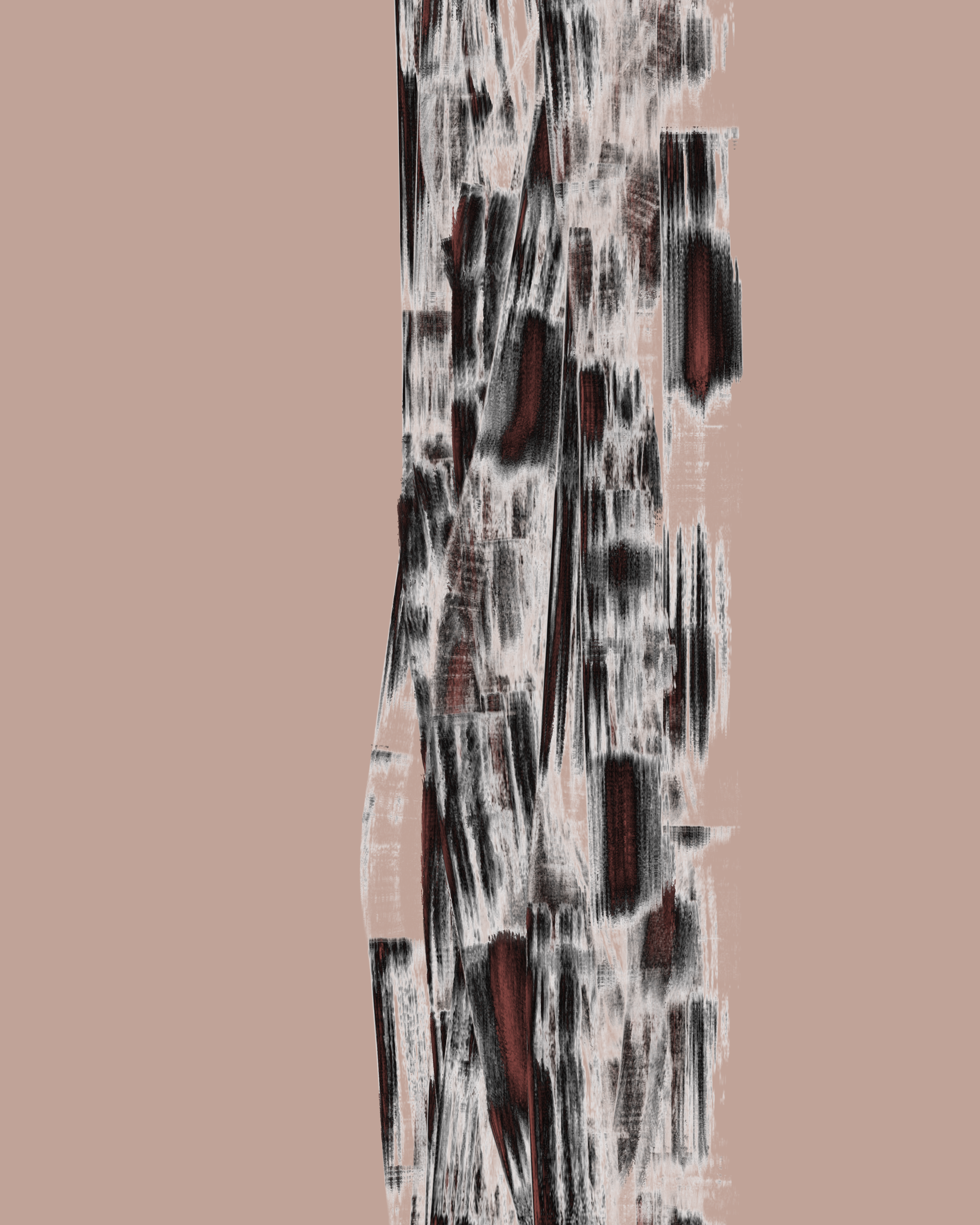
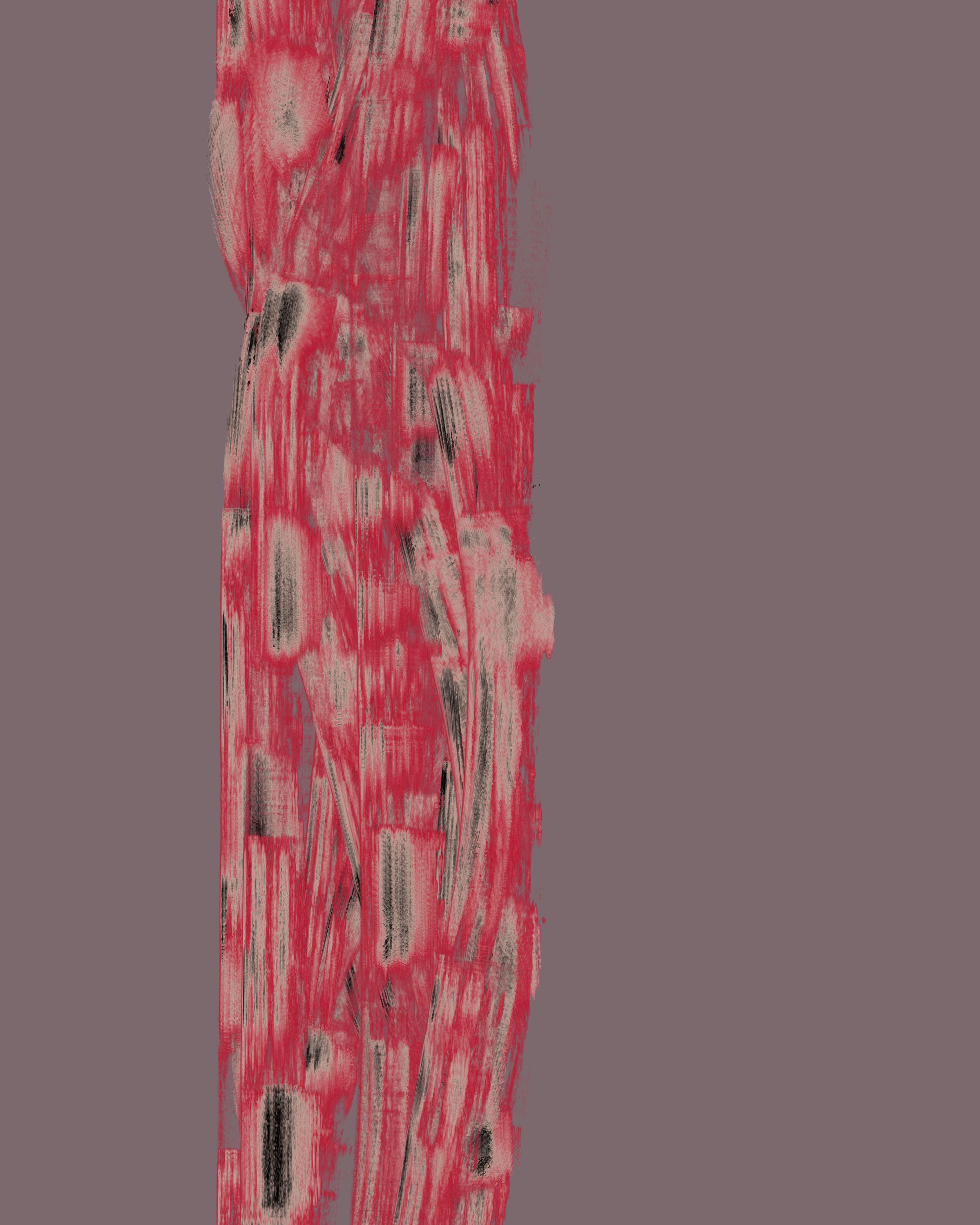
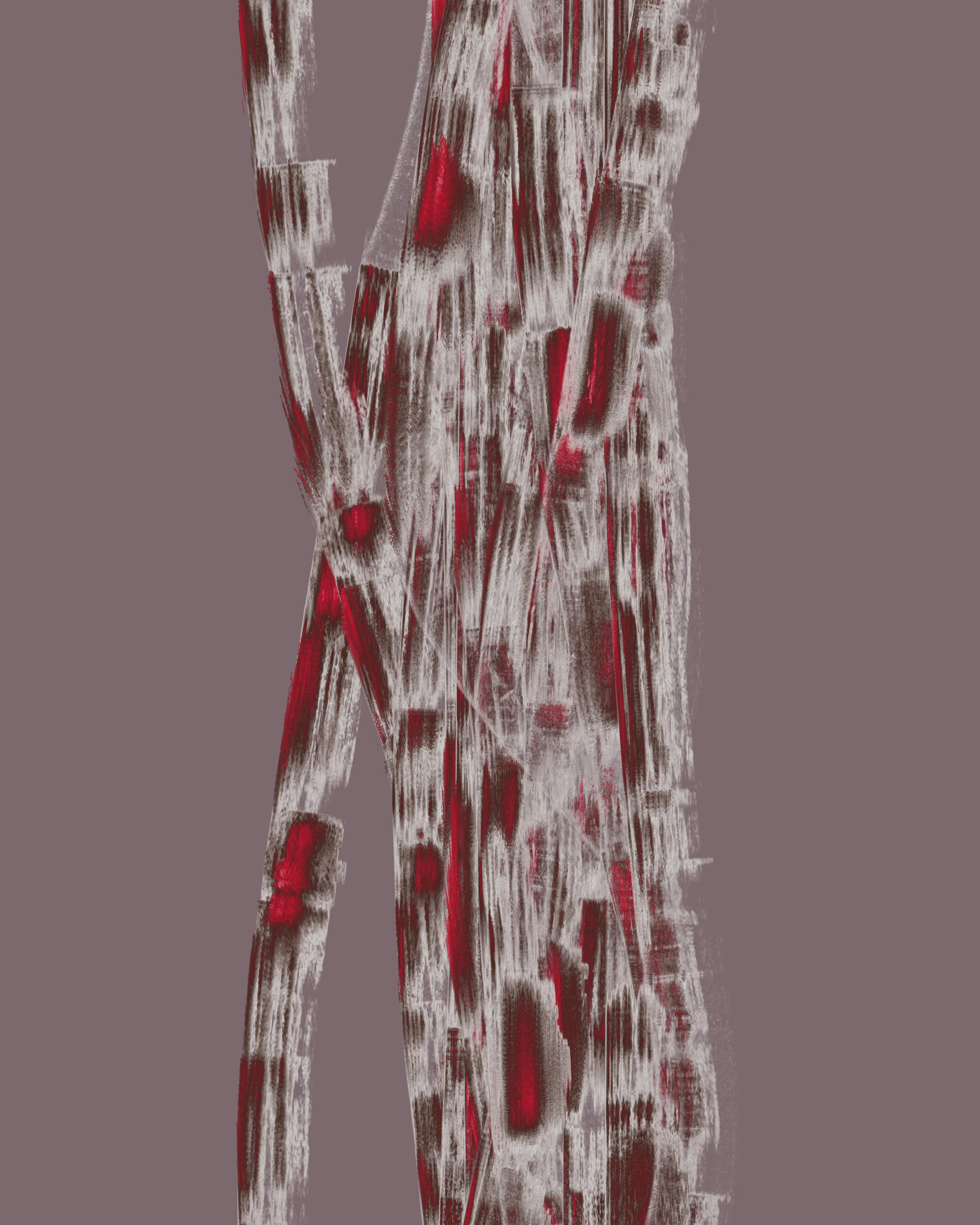
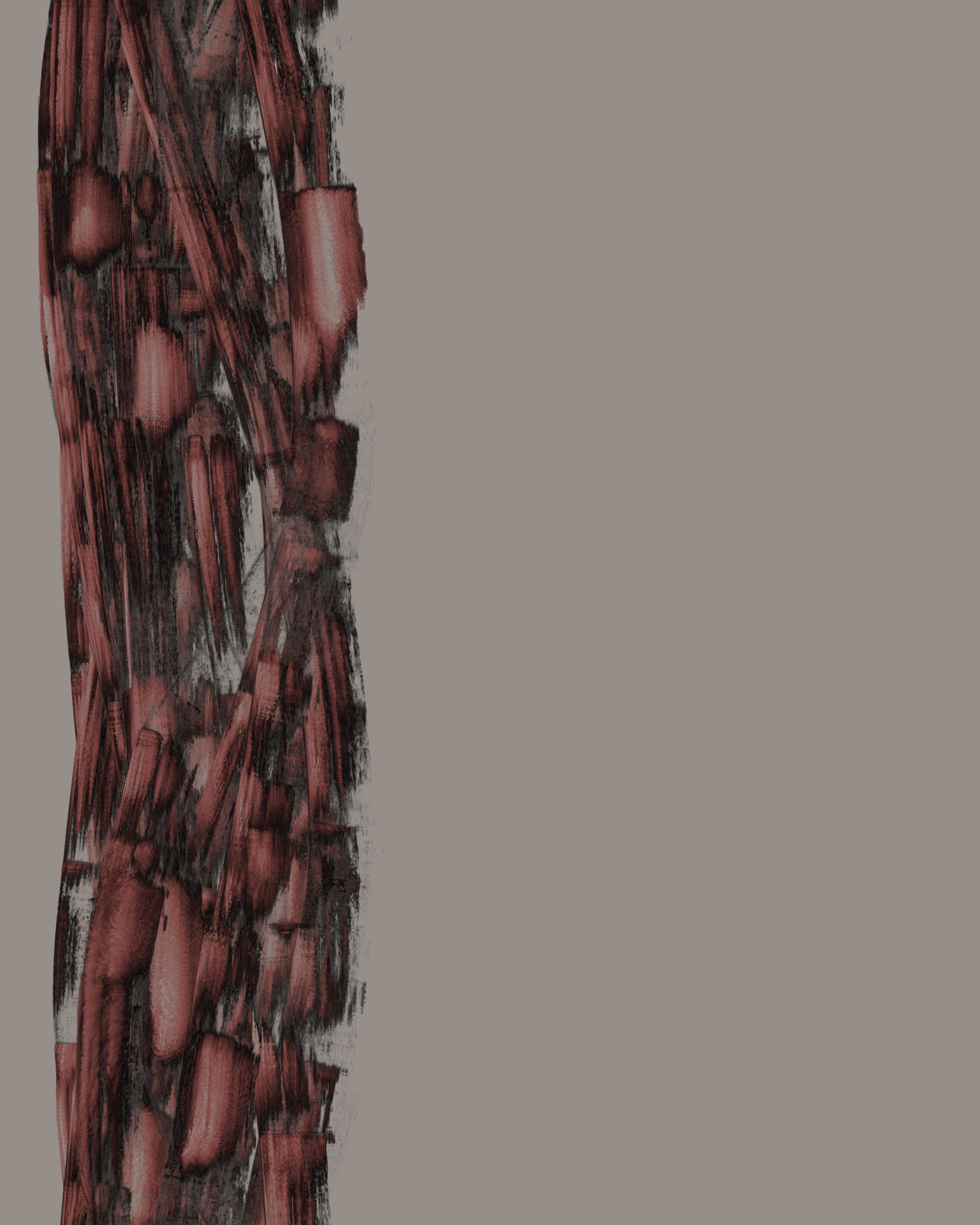
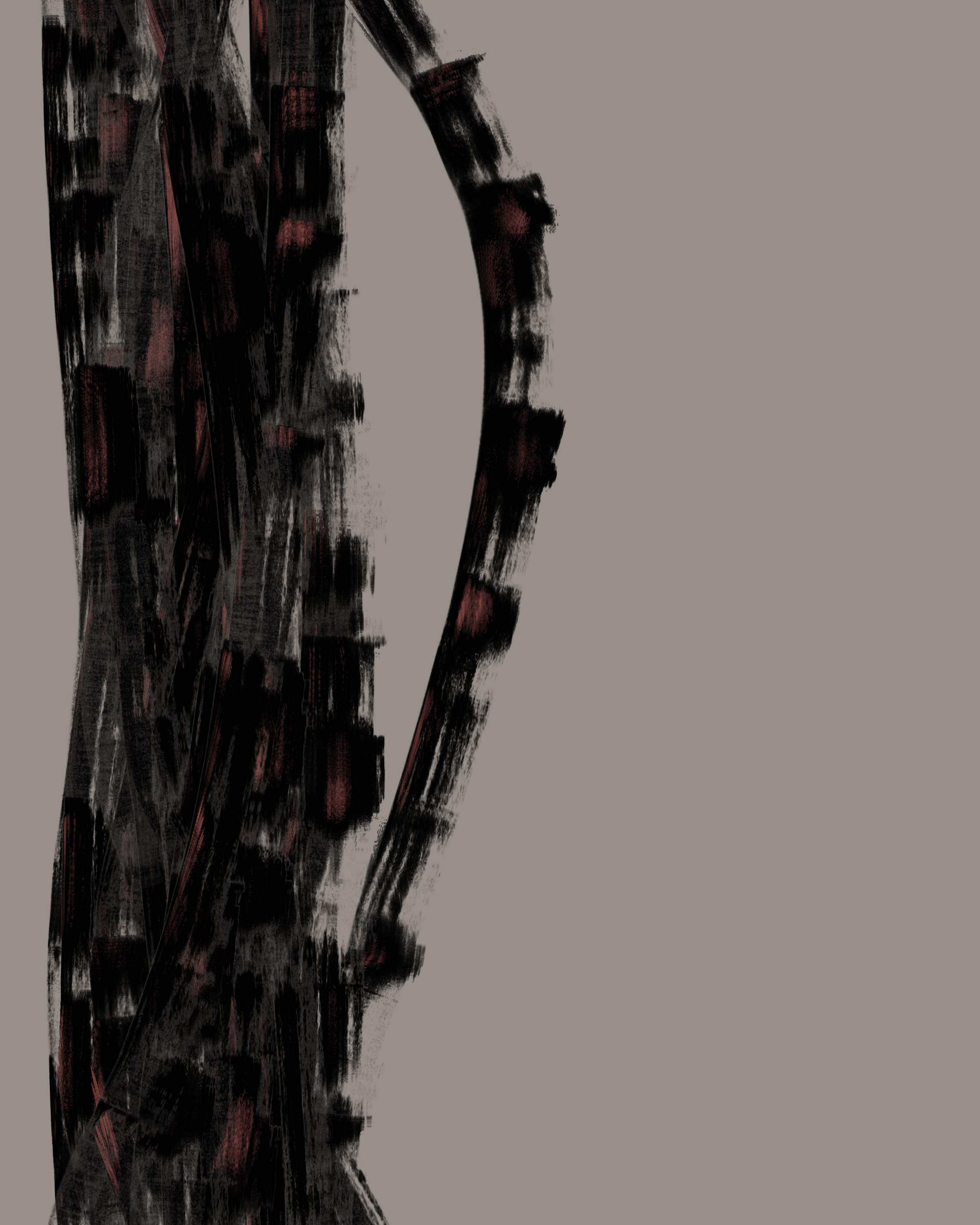
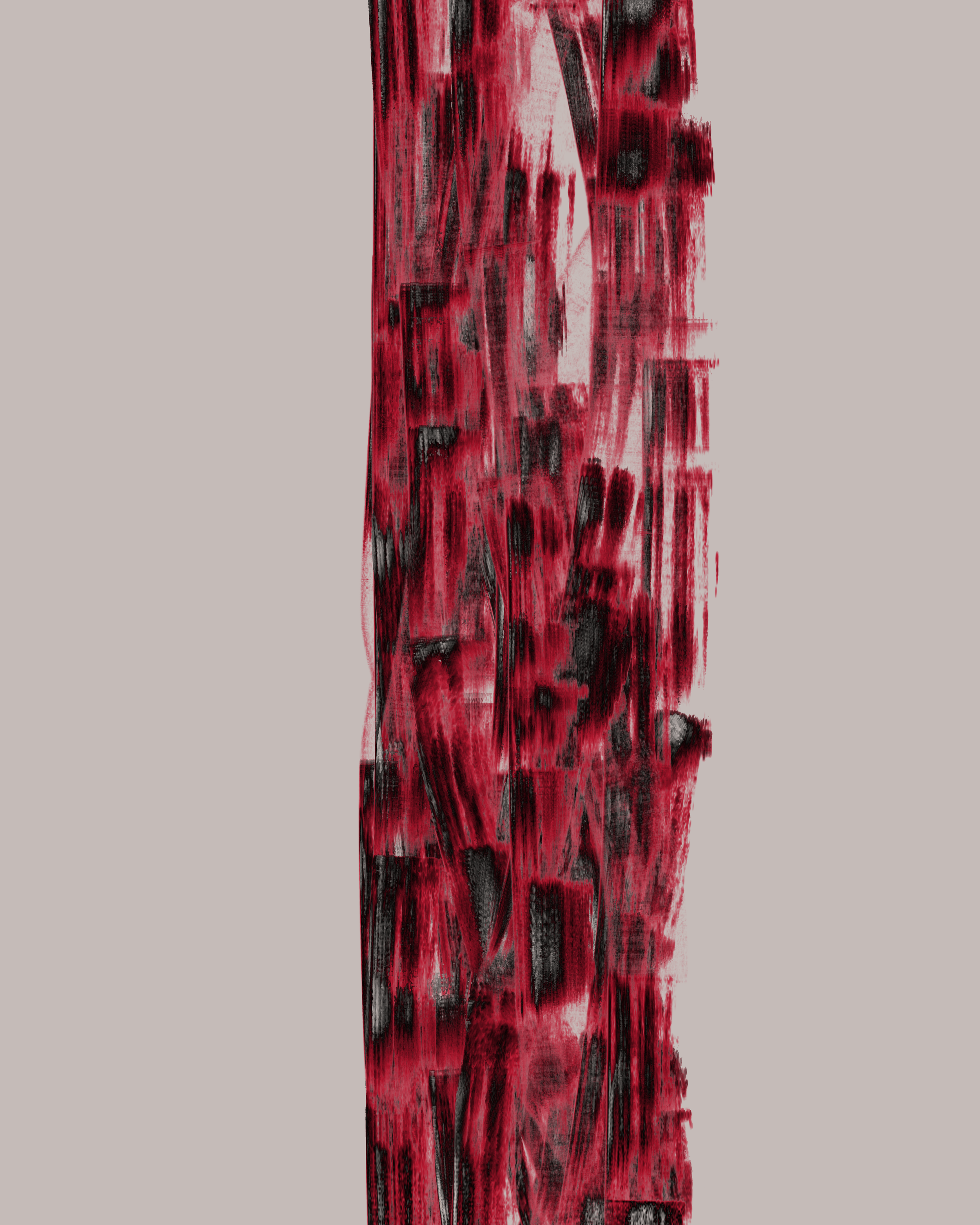
In Sonic Bodies, poet and artist Ana María Caballero transforms fifty readings of a single poem into fifty distinct digital paintings. Working with creative coder Cameron Nelson, she built a custom-coded system that translates the acoustic characteristics of her voice into abstract compositions.
The poem is “Memoir,” the final poem in Caballero’s seventh book, Material (2026), a poem about returning to the self. Its words never change, but each of the fifty readings differs in pace, emphasis, duration and the small hesitations between phrases. Those differences guide a virtual brush across the canvas, so every painting holds the trace of one reading that cannot be repeated.
At the heart of the work is Caballero’s concept of analog generativity: literature has always been generative, recreated each time a reader meets a text. In Fifty Ways of Looking at a Poem, fifty readers annotated the same poem. In Sonic Bodies, one reader, the poet herself, meets the same poem fifty times. The technology does not make the poem generative. It makes the poem’s existing generativity visible.
Presented by ICONIC with the Museum of Art + Light, Sonic Bodies asks where a poem resides: in its words, in the body that speaks them, or in every encounter that follows. During the pre-sale, ICONIC reserves one work for the museum’s permanent collection. As Caballero puts it, “Its point is not that the machine has become expressive, but that voice already was.”
The Process
The voice as brush
What if a poem could become a brush, and every reading could leave a different mark?
Sonic Bodies began with Caballero’s question, not with a tool. She conceived the project, set its conceptual framework and made every aesthetic decision. Her longtime collaborator, creative coder Cameron Nelson, wrote the code that brings it to life: a hand-built system in Python and shader language.
It is their third project together. In Ropa sucia and Pace, her poetry became movement. In Sonic Bodies, it becomes voice.
- 01
The reading
Caballero recorded fifty readings of “Memoir” over four months, from May to August, and threw out several along the way. She wanted every reading to carry the same depth of feeling, even as the delivery changed. The words never change. Breath, pace, emphasis and intensity do, and those changes are the raw material of the series.
- 02
A picture of sound
Each recording is analyzed as a spectrogram, a map of the frequencies in her voice and how intense they are over time. It shows how differently the same poem leaves the same mouth, reading after reading.
- 03
The poem-brush
The changing sound of her voice steers the brush across a virtual canvas, and its spectral fingerprint sets the brush’s texture. Spectral intensity controls each mark’s opacity and trail, from stippled to feathered. Each verse adds a layer that partly covers the one before, the way every new reading changes how we experience a text. The palettes come from Memoir, her three-channel video installation built around the same poem, and the reading itself sets the range of color within each palette.
- 04
The artist’s hand
Caballero’s choices are built into the system. She looked at nearly forty visual directions before choosing one. She then spent months with Nelson refining the texture, so the feathering moves in waves rather than short, abrupt strokes, and a long line thins out as if the paint were running out. They tuned the parameters so all fifty works share one visual language while each reading still produces a genuinely different composition. The system stays the same, and the voice decides the result.
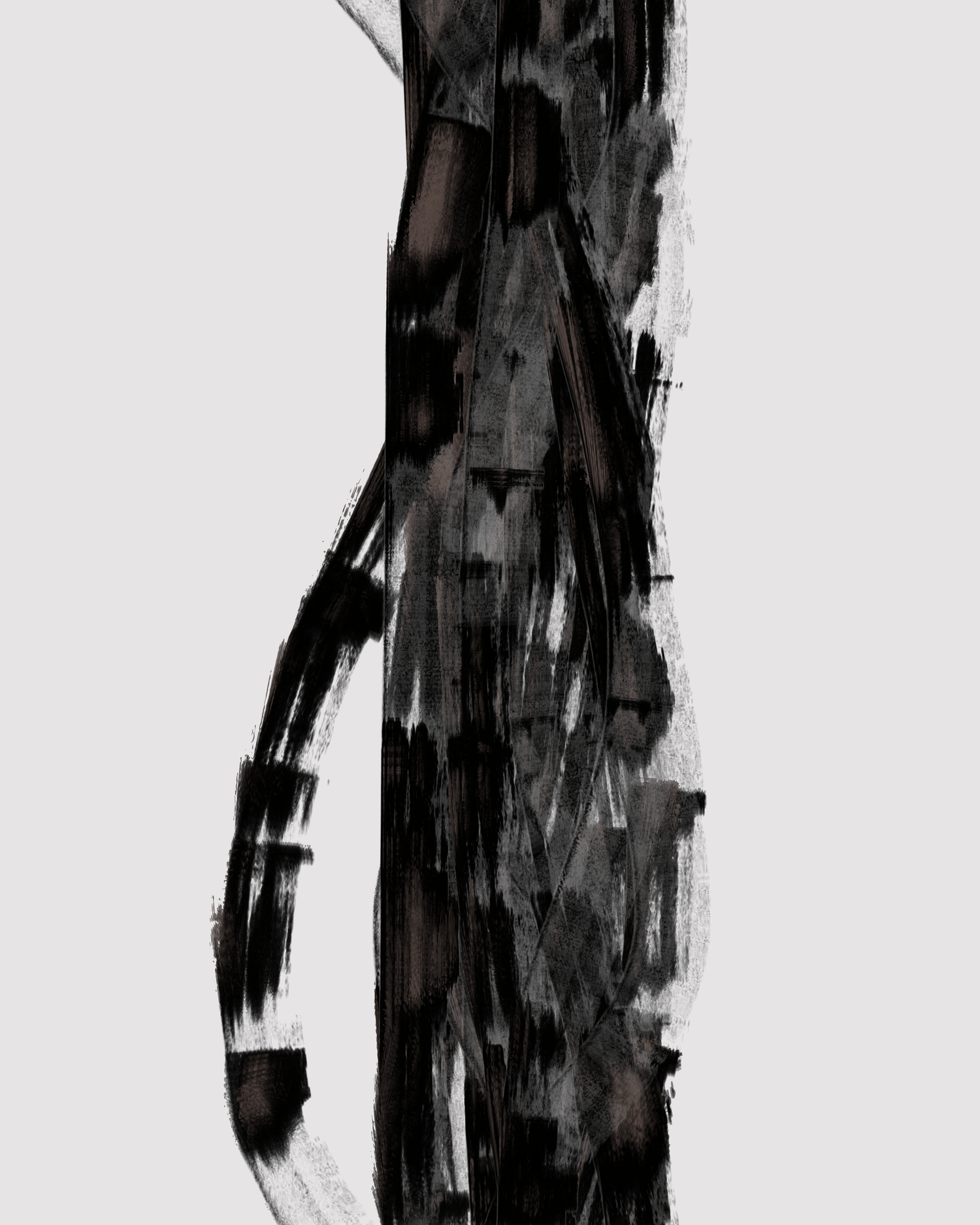
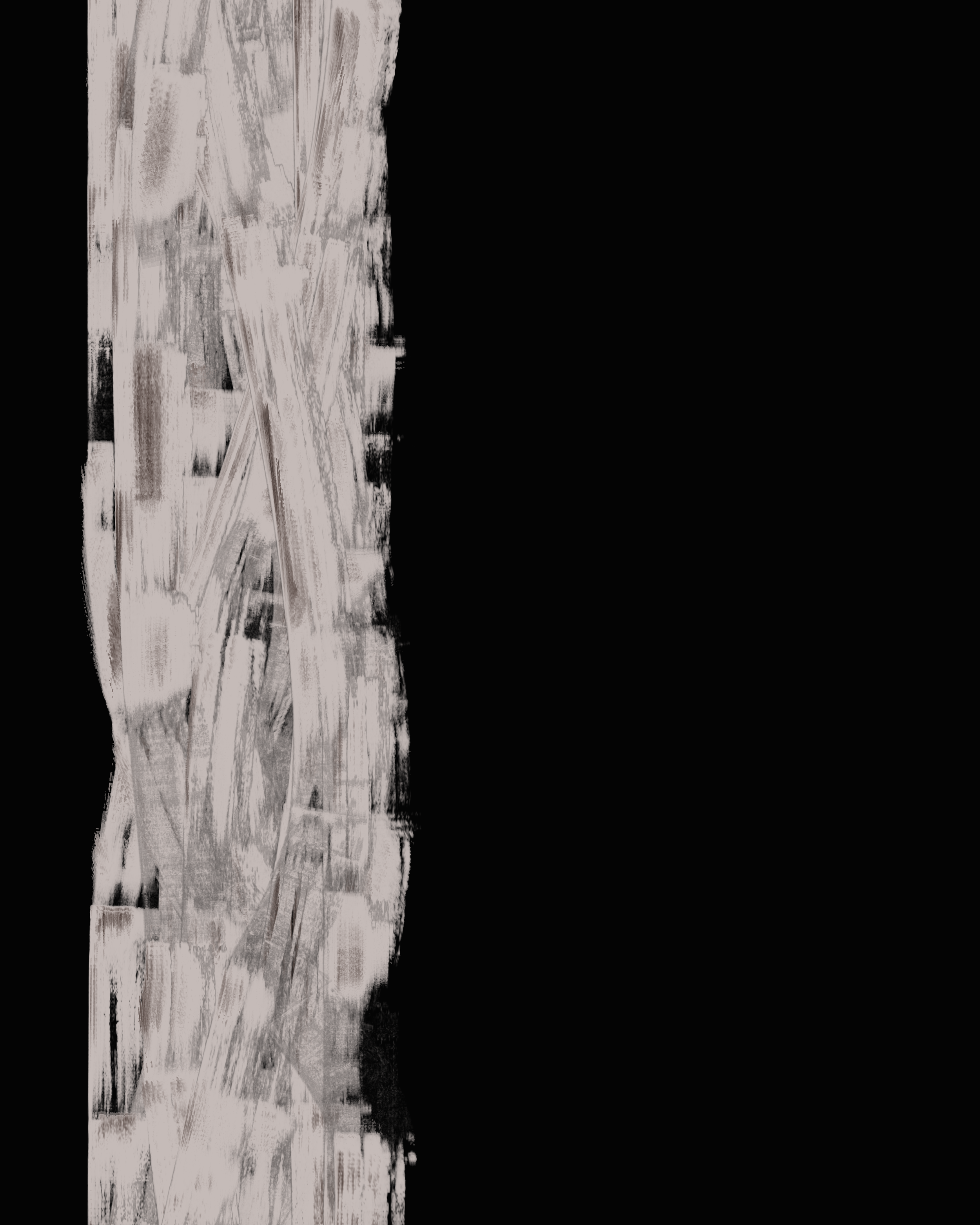
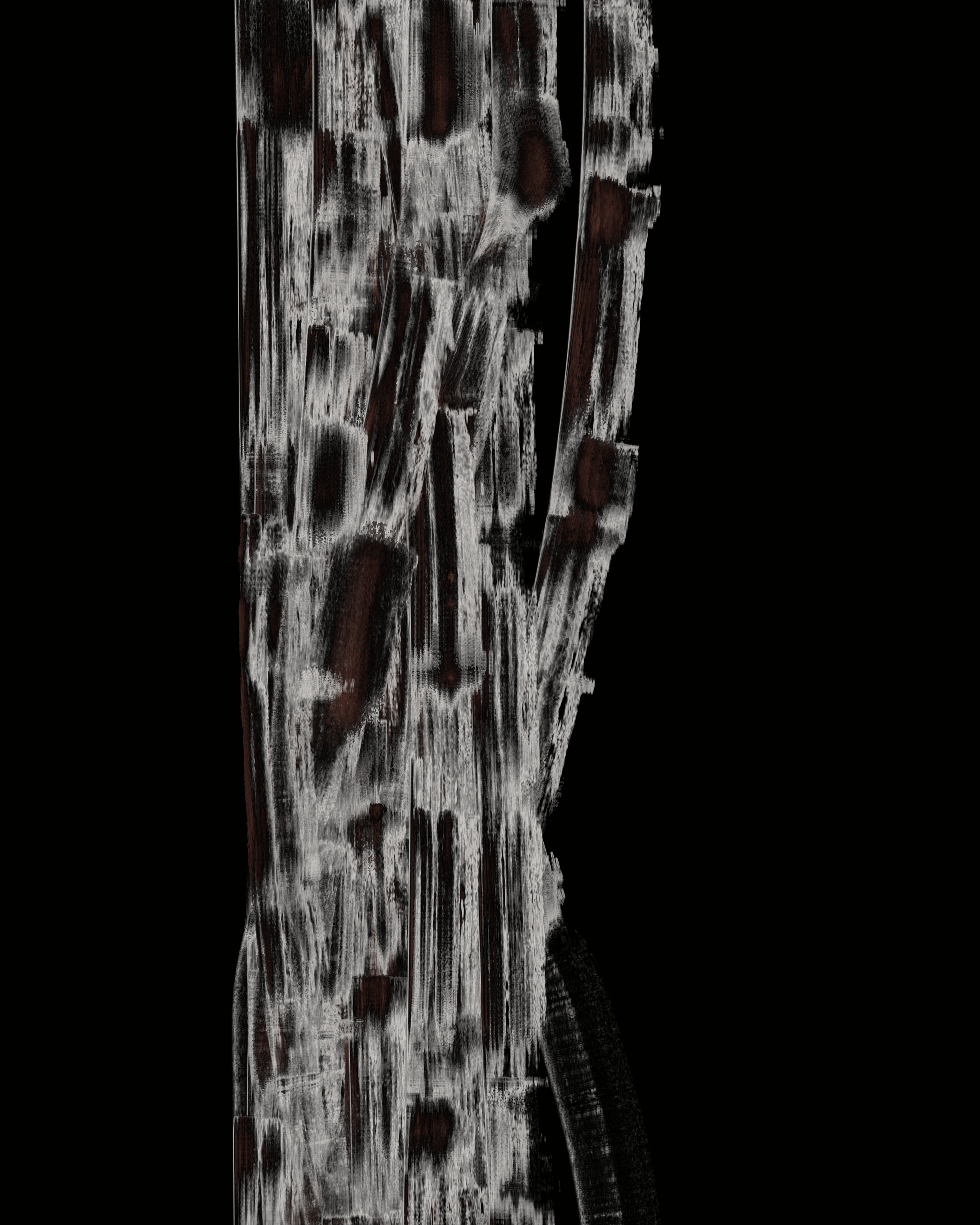
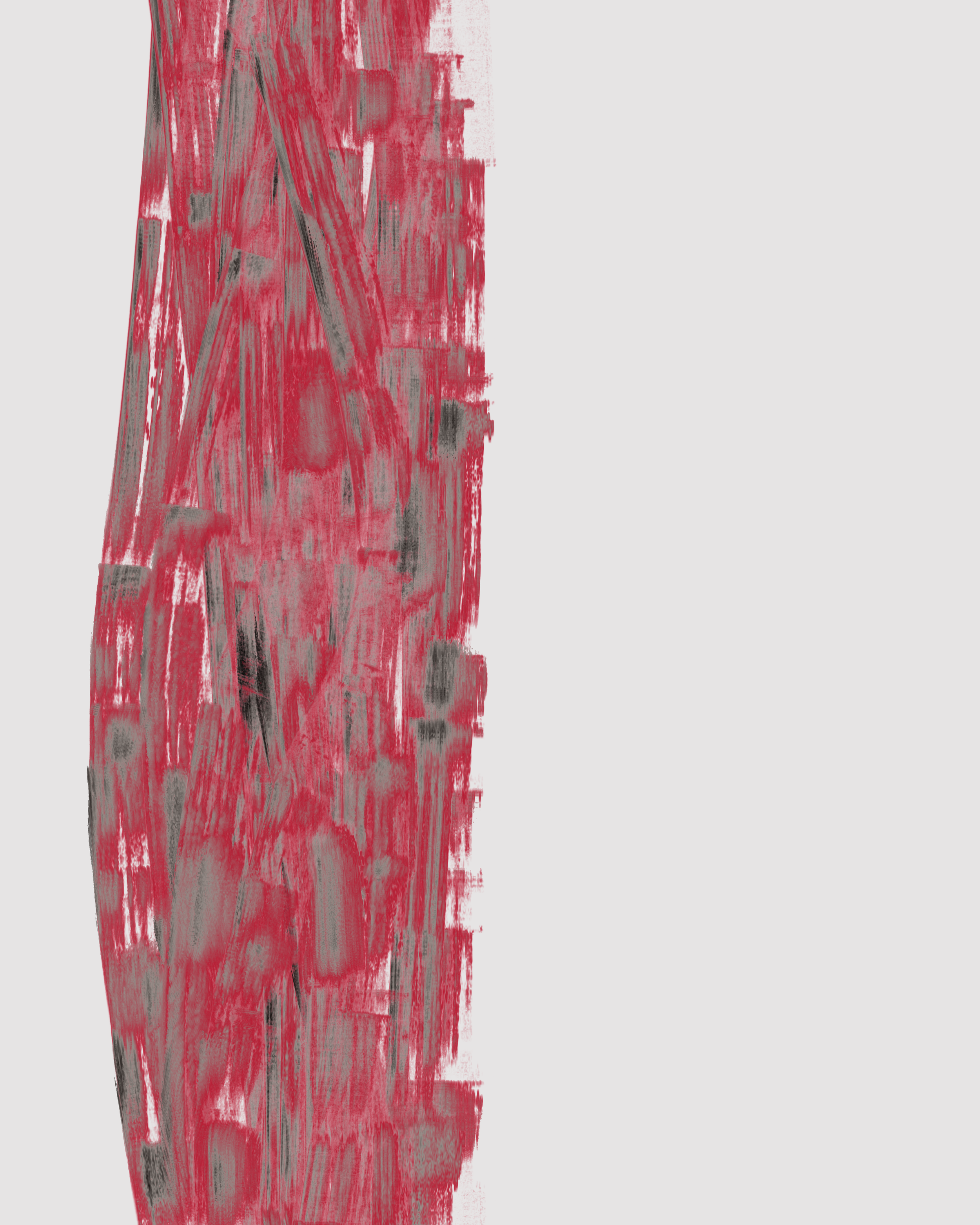
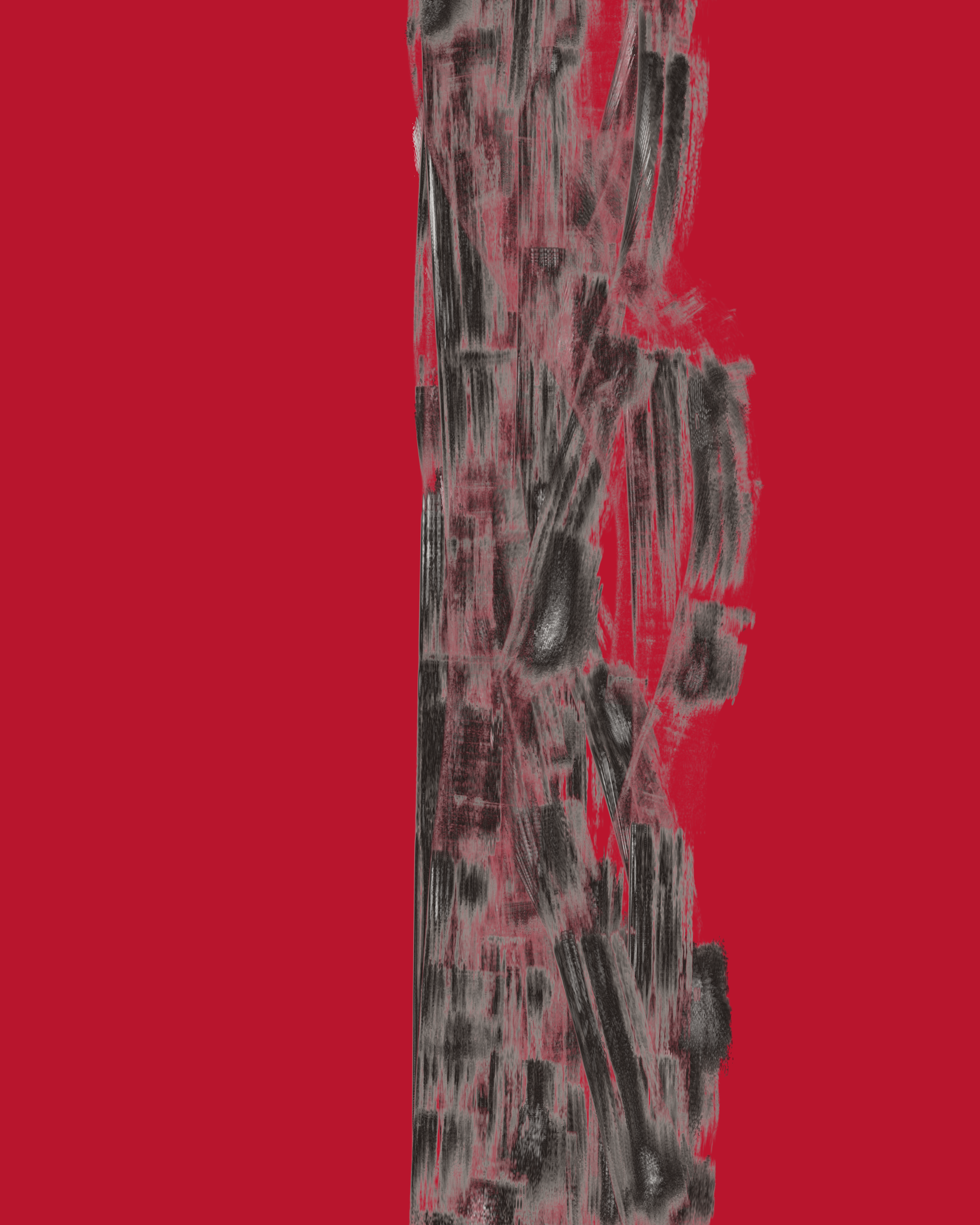
A spectrogram makes sound legible. Sonic Bodies makes it expressive. Here is one reading in both of its forms: Sonic Bodies 27 as the painting forms with her voice, and the still that holds it at the poem’s final word.
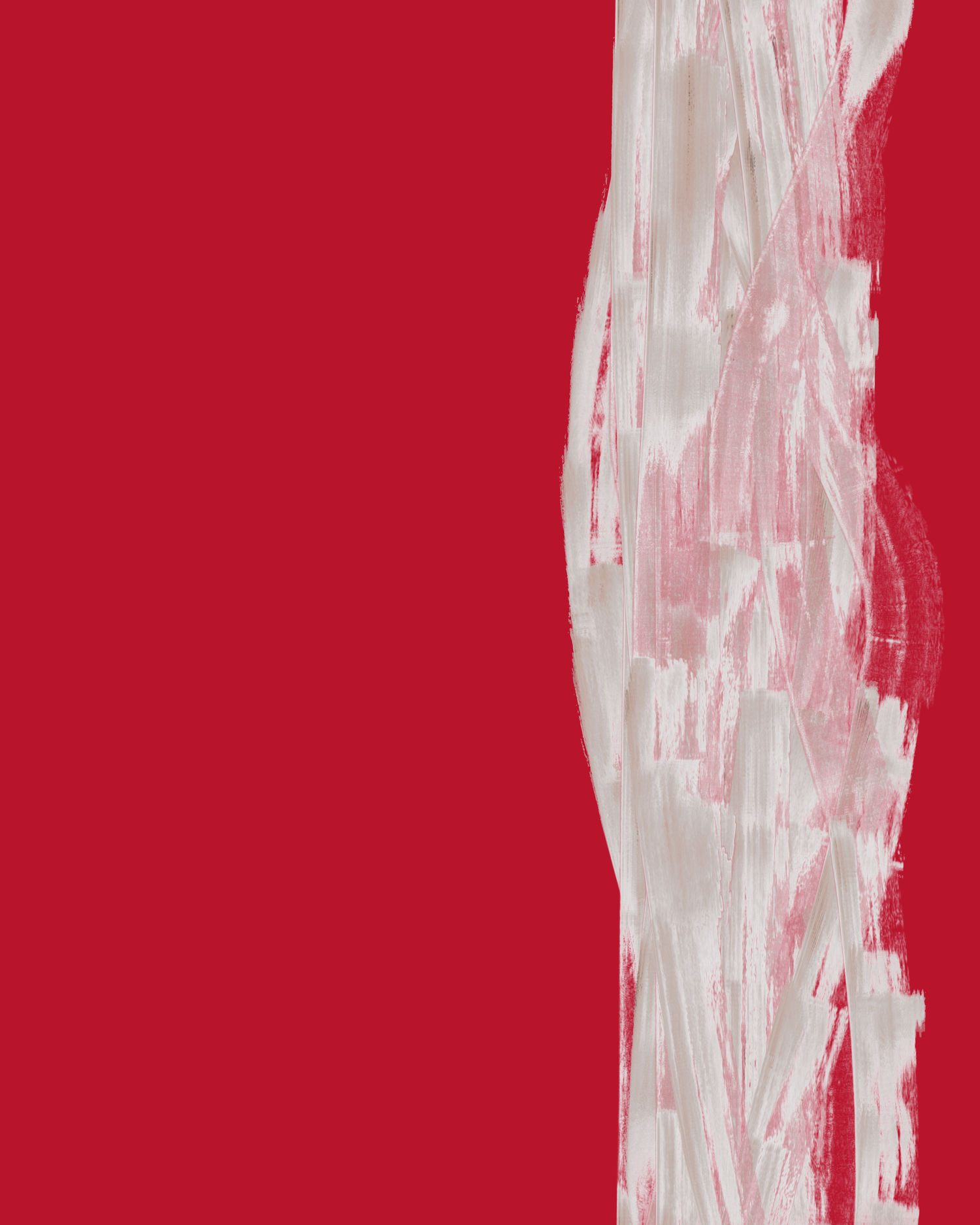
Every work was rendered live in 4K. The videos vary in length, because no two readings take the same amount of time.
Live at NODE
In August 2026, Caballero debuted the system as a live performance at NODE. She read “Scylla,” from her Being Borges series, into a microphone while the painting formed in real time.
ABOUT
Ana María Caballero
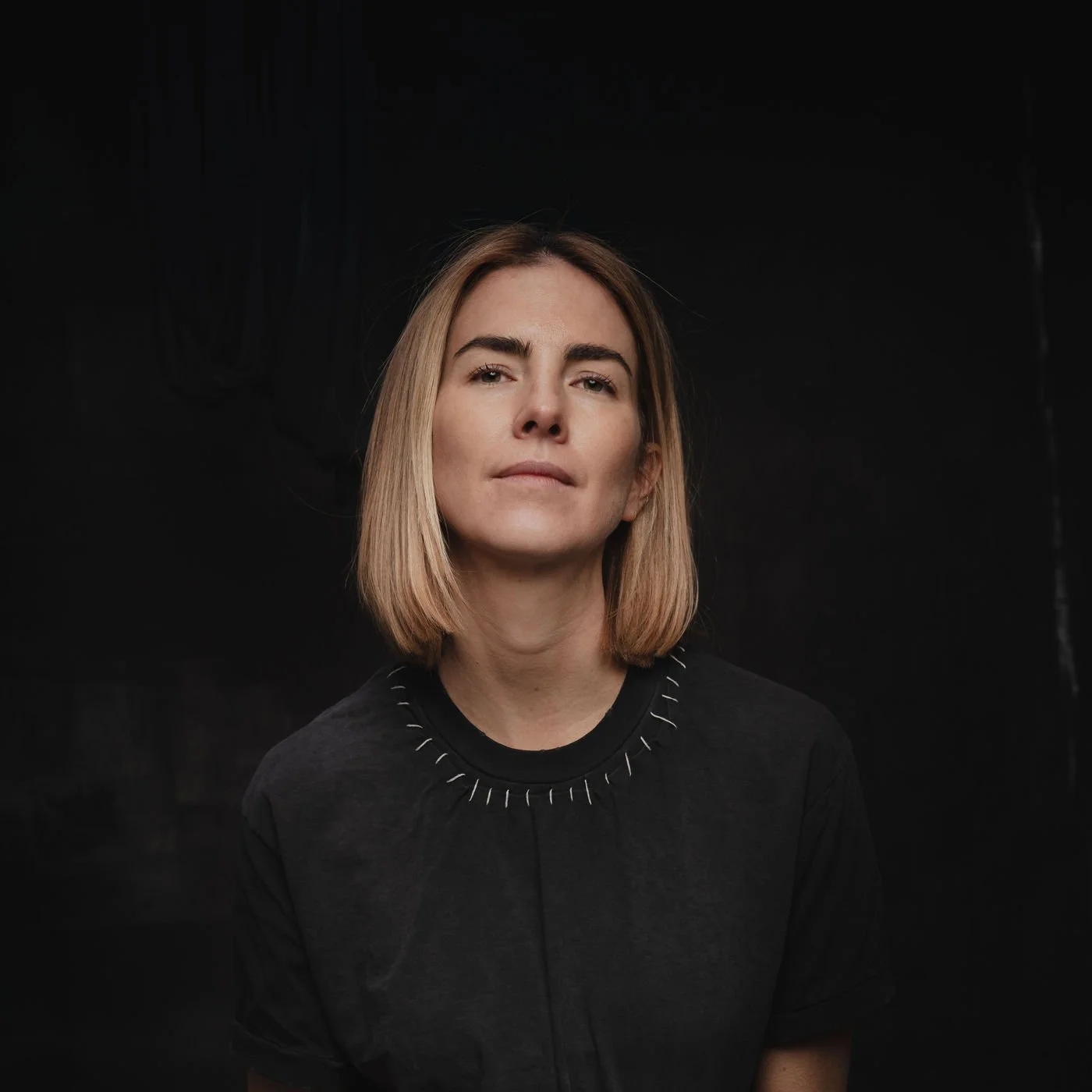
Ana María Caballero is a Colombian-American poet and multidisciplinary artist whose work explores embodiment, memory, care, and the literary implications of emerging technologies.
She works with language across books, performance, film, sculpture and generative systems, and calls the thread that runs through them analog generativity: the idea that readers and writers construct each other in an endlessly procreative process. She is the first living poet to sell a poem via Sotheby’s, a Lumen Prize winner, and a recipient of an Academy of American Poets Prize, the International Beverly Prize, and Colombia’s José Manuel Arango National Poetry Prize. She is the author of eight books, including her first novel, /Cuts (Clay Reynolds Novella Prize, Texas Review Press), and the poetry collection Material (Trio House Press).
Her work is held in public collections including the Museo Reina Sofía, MACBA Barcelona, the Ashmolean Museum and Fundación Juan March, and has been exhibited at the V&A, HEK Basel and the Institute of Contemporary Art, Miami. In 2026, the Francisco Carolinum in Linz presented Read the Room, her first institutional retrospective. She has performed at the opening of the Venice Biennale, Art Basel Miami Beach and Tate Modern, and spoken at Fundación Telefónica, Christie’s and the Americas Society.
The Journey
From the page to the voice
Caballero has always treated a poem as something made: the word comes from the Greek poiema, a thing fashioned. Since 2023 she has moved her verse off the page and into readers’ hands, bodies and code, each time asking how a text changes as it passes through someone.
Sonic Bodies turns that question on the poet herself. One author, one poem, fifty readings, and no two the same. It is the first time she has used her own body as an acoustic instrument.
- 2023
Paperwork
Audience responses to live poetry readings become the inputs for digital paper sculptures.
- 2024
Fifty Ways of Looking at a Poem
Fifty readers annotate the same poem by hand, so each reading leaves its own trace.
- 2024
Echo Graph and Literal Litoral
The body speaks a poem through movement, in choreographic video poems.
- 2025
Speech Patterns
Sculptures that give form to the turns of a performed poem. The same year, The Sylphs, from her Being Borges series, wins the Lumen Prize.
- 2026
Sonic Bodies
Material is published, and “Memoir” becomes a three-channel video installation, first shown at the Museum of the Moving Image, alongside a one-of-one book sculpture. Then her own voice becomes the brush: the Sonic Bodies system debuts at NODE, and she performs “Memoir” at Tate Modern.
Can one body of language ever be experienced the same way twice? How does one text shift via human readership, even if this interpretation is repeated and performed by its very author?
I record myself reading “Memoir.” The audio is translated into a spectrogram, which is, quite simply, a picture of sound. A custom framework written in Python and shader language uses that information to build a moving painted composition. The aural data guides the virtual brush, and the reading accumulates as marks across the screen.
The text stayed the same, but it was impossible to deliver it identically. Pace, emphasis, duration and the little hesitations between phrases changed. Each reading becomes a singular event of voice.
I would like people to consider the amount of life contained in a single reading. The words may not change, but their passage through a body does.
The title Sonic Bodies speaks to two bodies at once: the body doing the reading, and the body of work the reading leaves behind. I want to preserve—and irrevocably connect—both.
I wanted the paintings to be bodily, but not one body.
IN THEIR WORDS
ANA MARÍA CABALLERO
THE COLLECTION
50 unique works · One poem, fifty readings
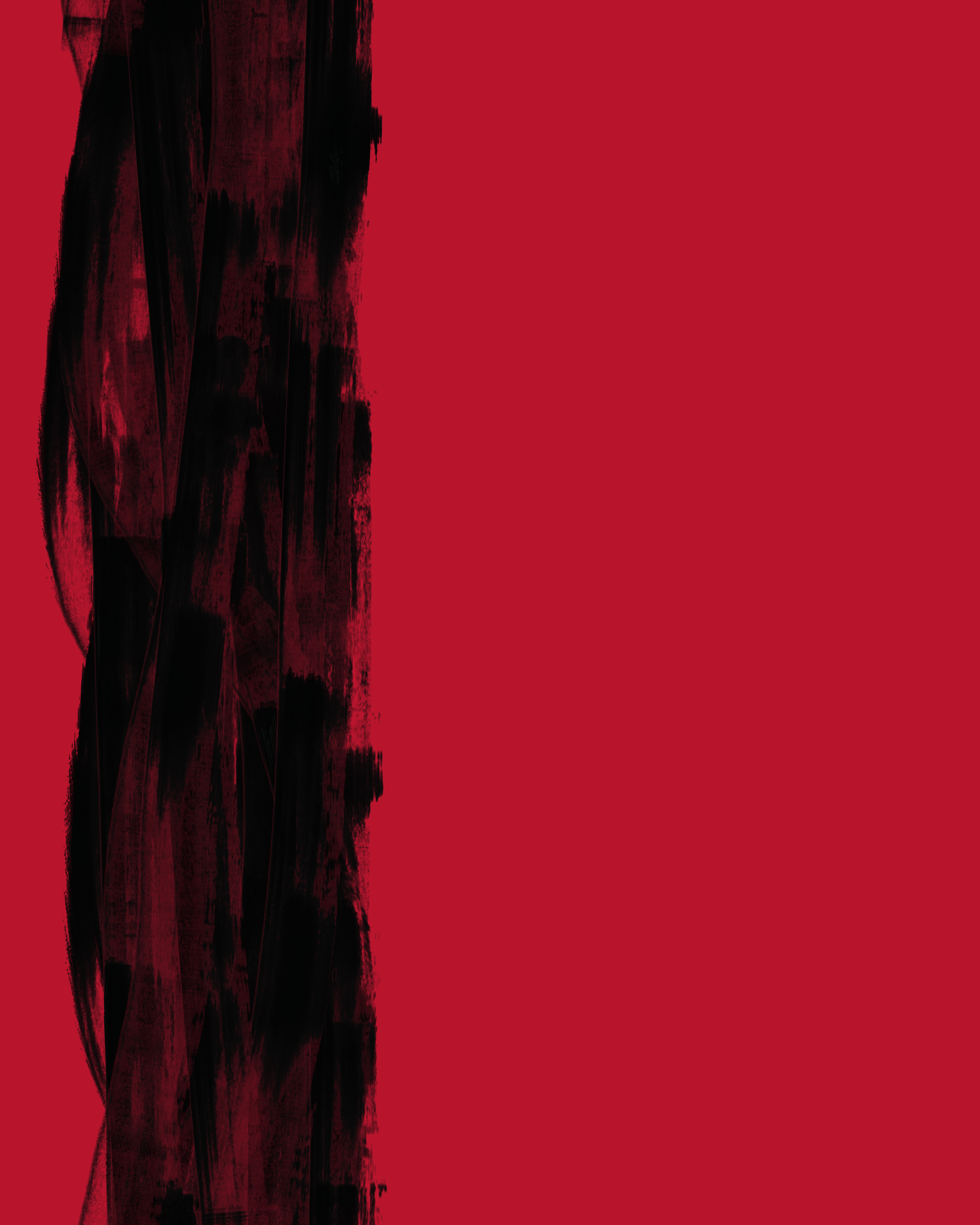
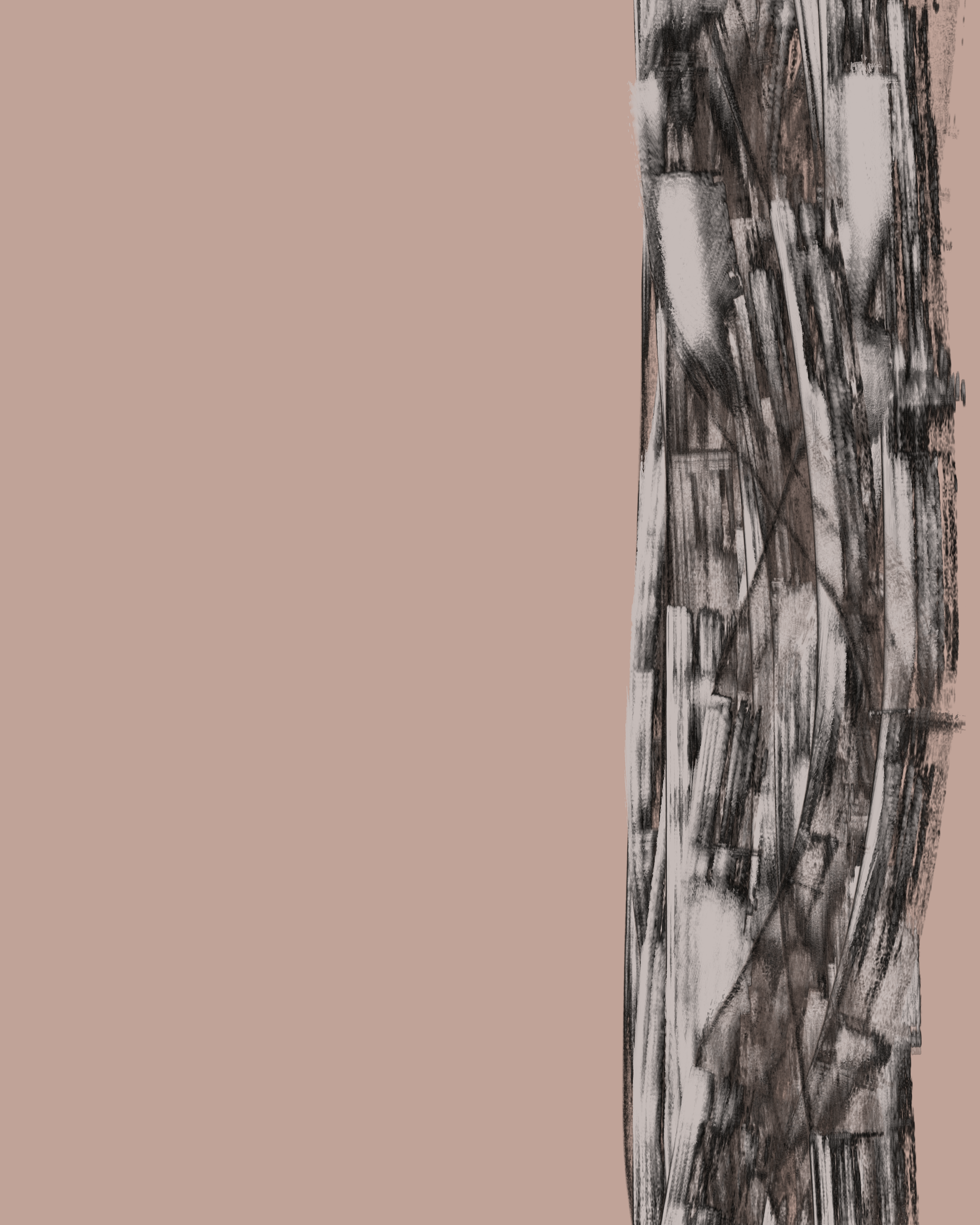
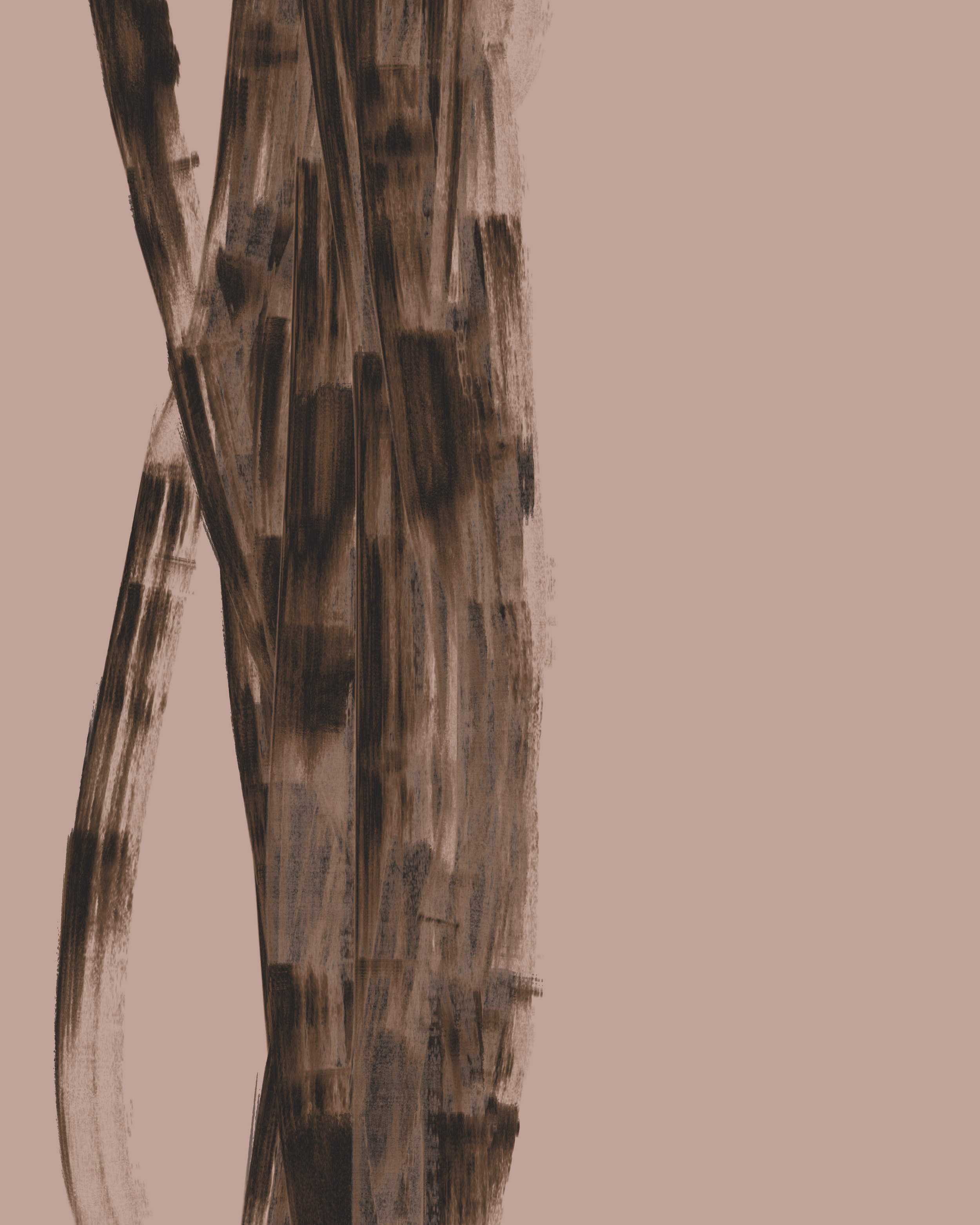
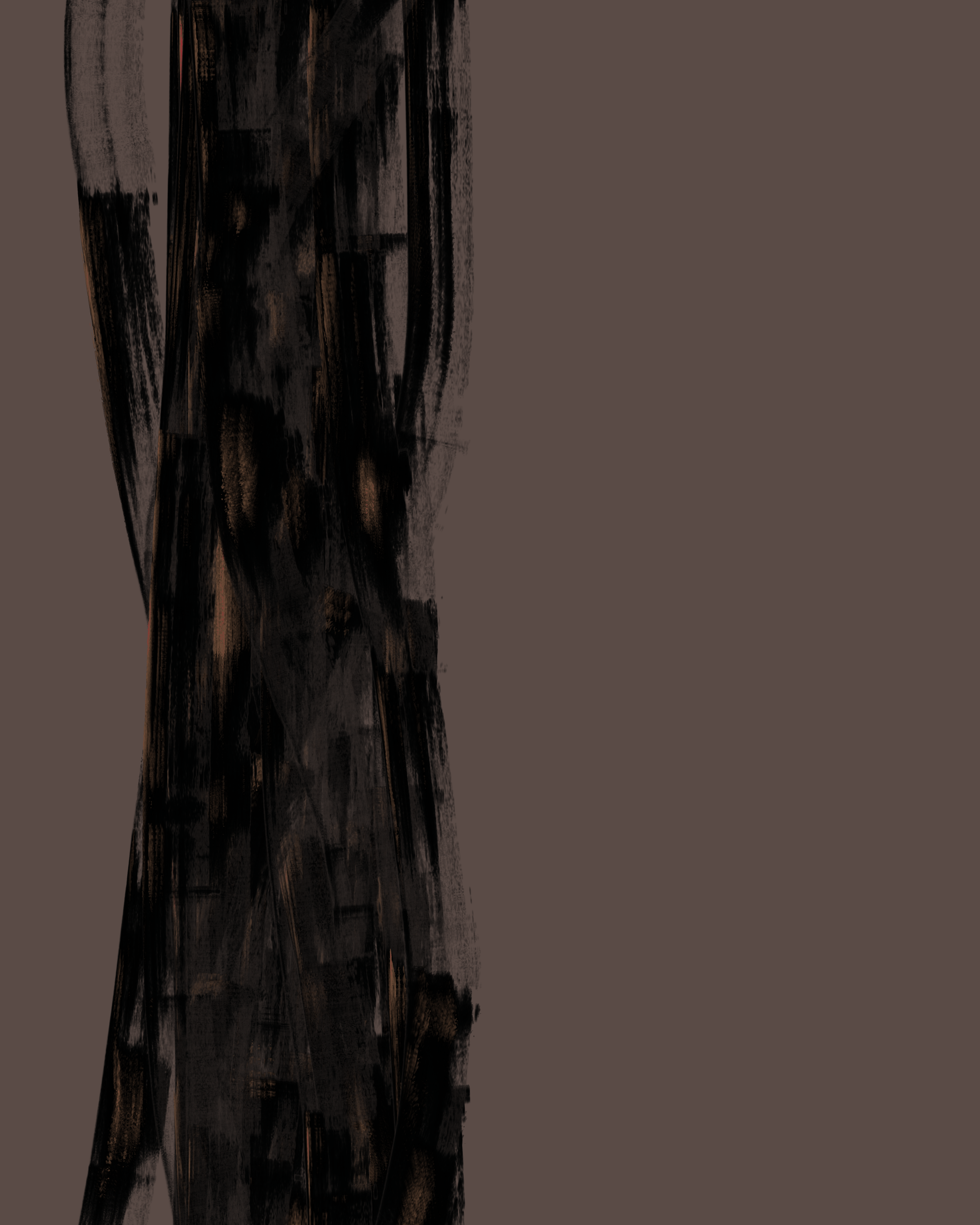

The Reading and the Print
Every work in Sonic Bodies lives in two forms. The video lets you witness the painting being made by the poem and hear the time and effort of the reading. The still holds the accumulated composition at the poem’s final word, so marks that arrived at different moments can be seen together. Neither replaces the other.
Collectors can add a print of their still, produced and shipped by ICONIC’s printing partner. The print claim opens within a week after the public sale, and ICONIC will announce it and message every collector directly. When the print window closes, every print travels to Caballero to be signed and numbered by hand. She suggests close observation and minimal, discreet framing.
Caballero also suggests keeping a copy of Material, the book where “Memoir” was first published, near the work, so the poem can be read on the printed page as well as heard and seen.
Print Details
Size: 20 × 24 in sheet, 17.6 × 22 in image with 1.2 in side and 1 in top and bottom borders
Prints: One print per digital work
Signature: Hand signed and numbered by the artist
Digital Artwork: Video of the reading with sound, plus a still at the poem’s final word, 4:5 portrait, rendered in 4K.
Print Price: $250 USD, in addition to the digital work, ordered through the print claim that opens within a week after the public sale
Fulfillment: Ships to collectors after signing
Framing: Prints ship unframed. The ash and white frames shown on this page are for illustration.
Collectors pay shipping and any applicable import duties or VAT on their print.
Sonic Bodies by Ana María Caballero
-
Collection Size
50 unique works
Each a single reading of “Memoir” -
Price
$250 USD per work
Signed print, additional $250 USD -
Pre-sale
ICONIC Art Pass Holders
Open now
Closes Nov 18, 10 AM ET -
Public Sale
Wednesday, November 18
12 PM ET
Each work assigned at random
HOW TO
COLLECT
-
The ICONIC Art Pass pre-sale is open now and closes Wednesday, November 18 at 10 AM ET. The collection opens to everyone Wednesday, November 18 at 12 PM ET. Not an ICONIC Art Pass holder? Sign up below for early access and updates.
Each work is $250 USD. In the ICONIC Art Pass pre-sale, you choose the reading you want to collect and can pay by credit or debit card, or with ETH/USDC by arrangement (see Payment Options below). In the public sale, works are assigned at random, so every collector receives one of the readings still available. One work is set aside for the Museum of Art + Light during the pre-sale. Pre-sale works and their stills arrive in collectors’ wallets approximately one hour before the public sale opens. Public sale works arrive at collection.
-
Fifty works, each one a recorded reading of “Memoir” by Ana María Caballero. Every work is unique: no reading repeats, and each is painted in a palette drawn from her Memoir video installation.
Each work includes a video of the painting forming as she reads, with sound, and a still that holds the whole reading at the poem’s final word, in 4:5 portrait.
-
Collectors can add a print of their still for an additional $250 USD. The print claim opens within a week after the public sale, and ICONIC will announce it and message every collector directly. Prints are produced and shipped by ICONIC’s printing partner. When the print window closes, every print travels to Caballero to be hand signed and numbered, then ships to its collector.
Collectors pay shipping and any applicable import duties or VAT on their print.
-
“Memoir” was first published as the final poem in Material (Trio House Press, 2026). Caballero suggests keeping a copy near the work, so the poem can be read on the page as well as heard and seen.
Material is available from Trio House Press and wherever books are sold.
-
The Museum of Art + Light presents Sonic Bodies with ICONIC as part of its Permanent Collection Series. During the pre-sale, one work from Sonic Bodies is reserved for the museum’s permanent collection.
ICONIC brings its curatorial work, collector relationships and institutional partners to each release, so Caballero’s work reaches collectors, curators and readers beyond her existing audience.
-
In the pre-sale, yes. ICONIC Art Pass holders choose their reading from the works still available. In the public sale, works are assigned at random, so the reading that becomes yours may be one you have not heard yet. One work is set aside for the Museum of Art + Light during the pre-sale. You can listen to every reading in the player above before you collect.
-
Yes. Once Caballero has signed and numbered every print, ICONIC’s printing partner ships each one to its collector. Collectors pay shipping and any applicable import duties or VAT on their print.
-
We accept credit or debit cards, or ETH/USDC payments by arrangement.
For ETH/USDC payments, our concierge team can assist with artwork reservations and manual payment processing.
Contact us through email hello@iconicmoments.co, or send us a DM on X or Instagram.
-
Our team is available to help with artwork information, pre-sale access, or collecting assistance. Contact us through email hello@iconicmoments.co, or send us a DM on X or Instagram.
ABOUT
THE MOA+L PERMANENT COLLECTION SERIES
The Museum of Art + Light in Manhattan, Kansas, includes a permanent wing dedicated to digital art. Each release in its Permanent Collection Series is presented with ICONIC, and during each pre-sale one work is reserved for the museum’s permanent collection. With Sonic Bodies, the series introduces a poet’s practice to collectors of generative art, and brings readers of poetry to digital work held by a museum.
About ICONIC

At the core of ICONIC’s mission is the integration of traditional art institutions and emerging digital networks.
Founded in 2015, ICONIC has worked to expand the reach of cultural institutions and the arts. ICONIC partners with museums, digital artists, and brands to produce digital and physical art for collectors around the world.


United Nations World Summit Award Winner Culture & Heritage, 2021